

A few words about the capital
Hanoi is one of the oldest cities in Southeast Asia and the capital of Vietnam. The city’s history dates back to the Ly Dynasty, which made it the capital in 1010. Throughout its long history, Hanoi has undergone many changes - from strong Chinese influences, through the French colonial period, to the vibrant city it is today.
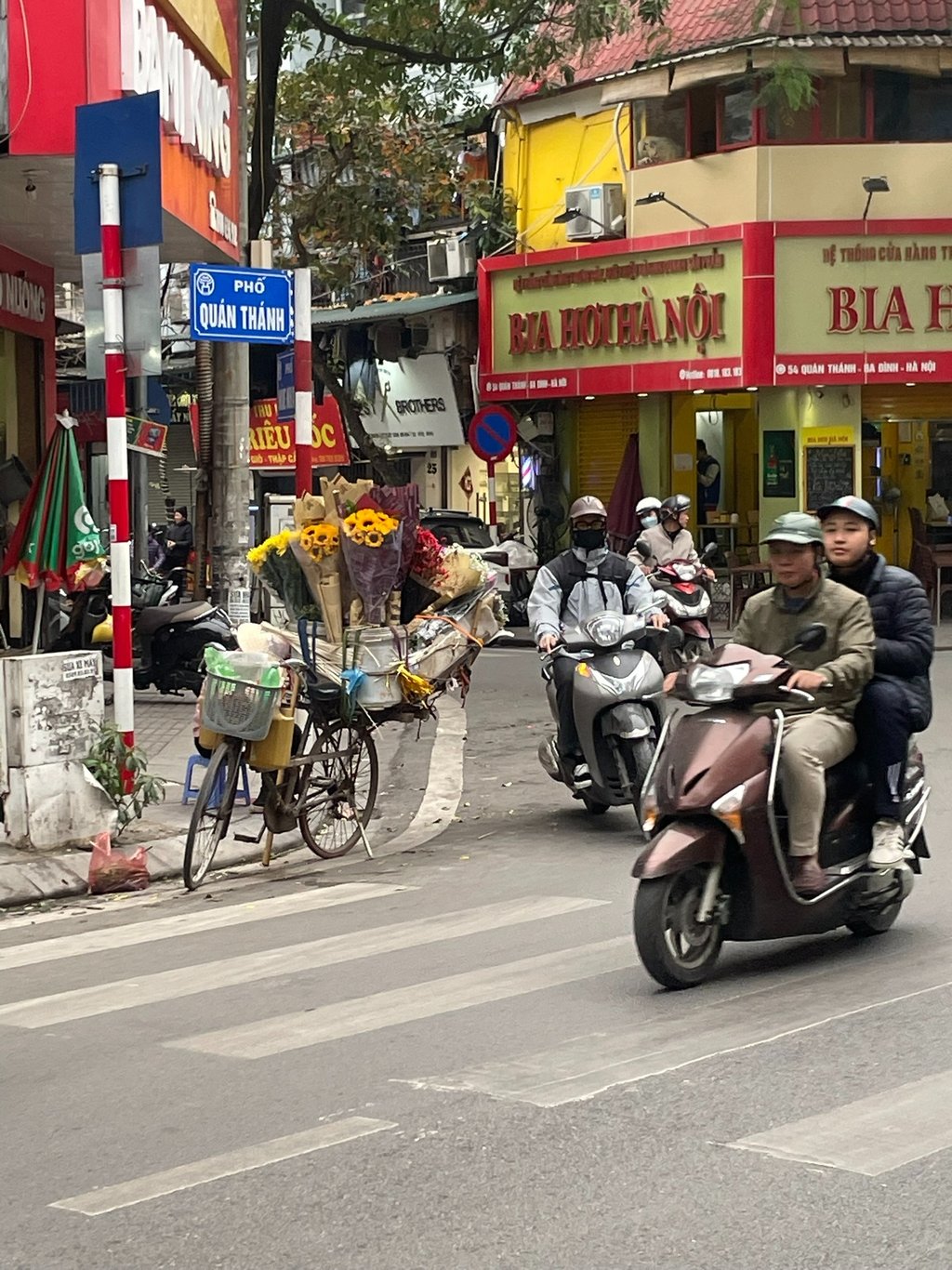
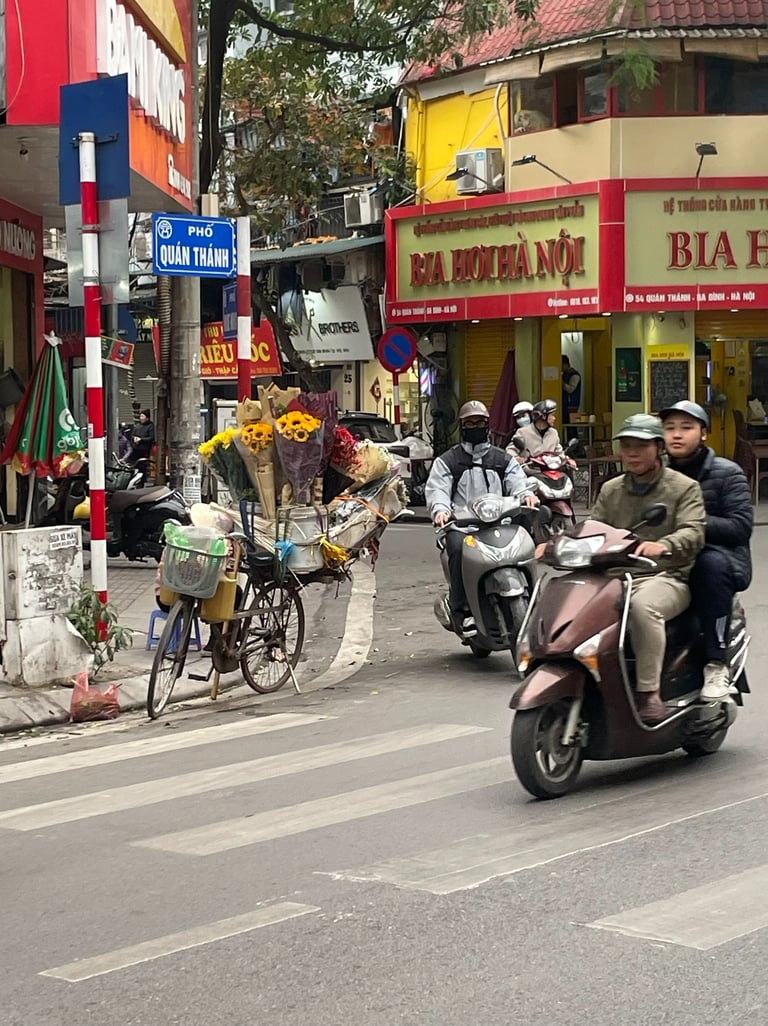
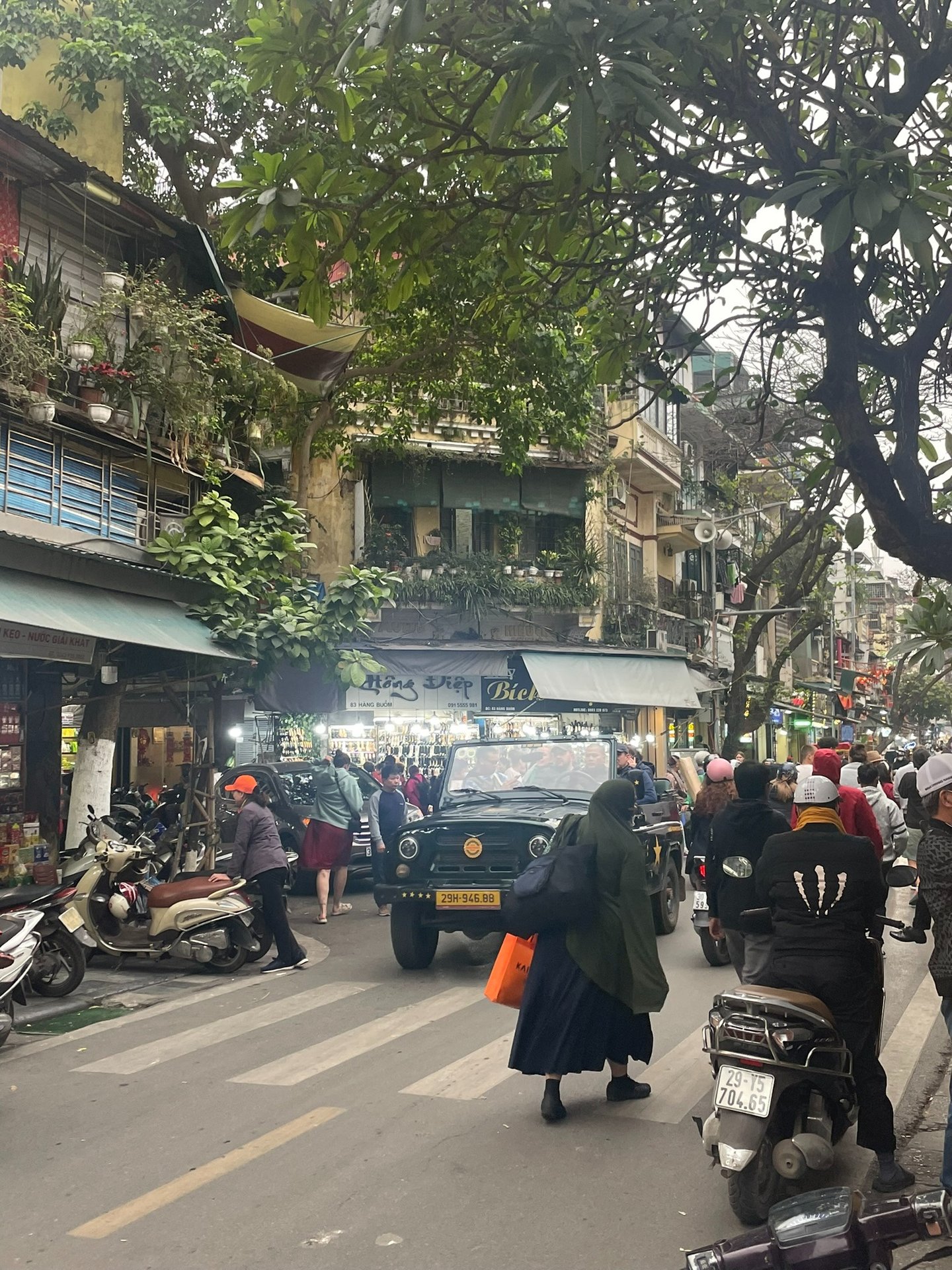
Hanoi is full of life and energy. At first glance, it may seem a bit chaotic, with the constant noise of scooters and the buzz of busy street markets. However, this apparent chaos hides a certain harmony and rhythm that quickly draws in anyone who decides to explore the city a little deeper. The atmosphere of Hanoi is a mix of old and new, where modern life blends with traditions that are still very much alive.
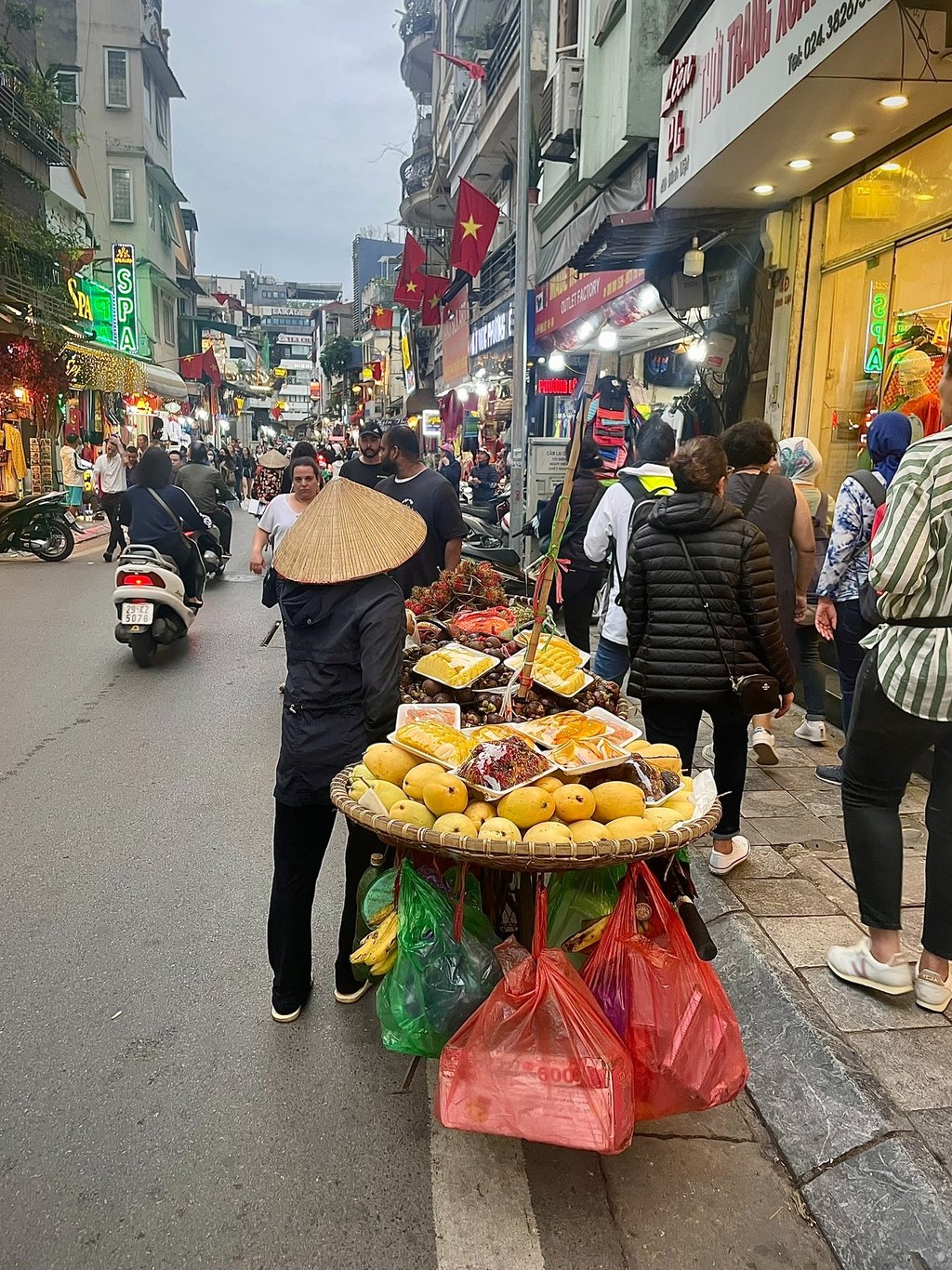
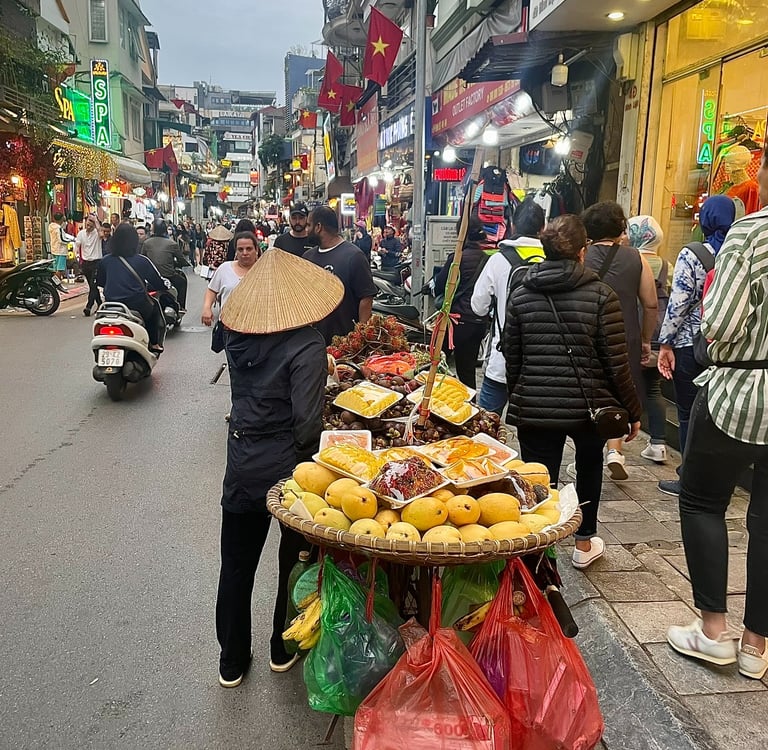
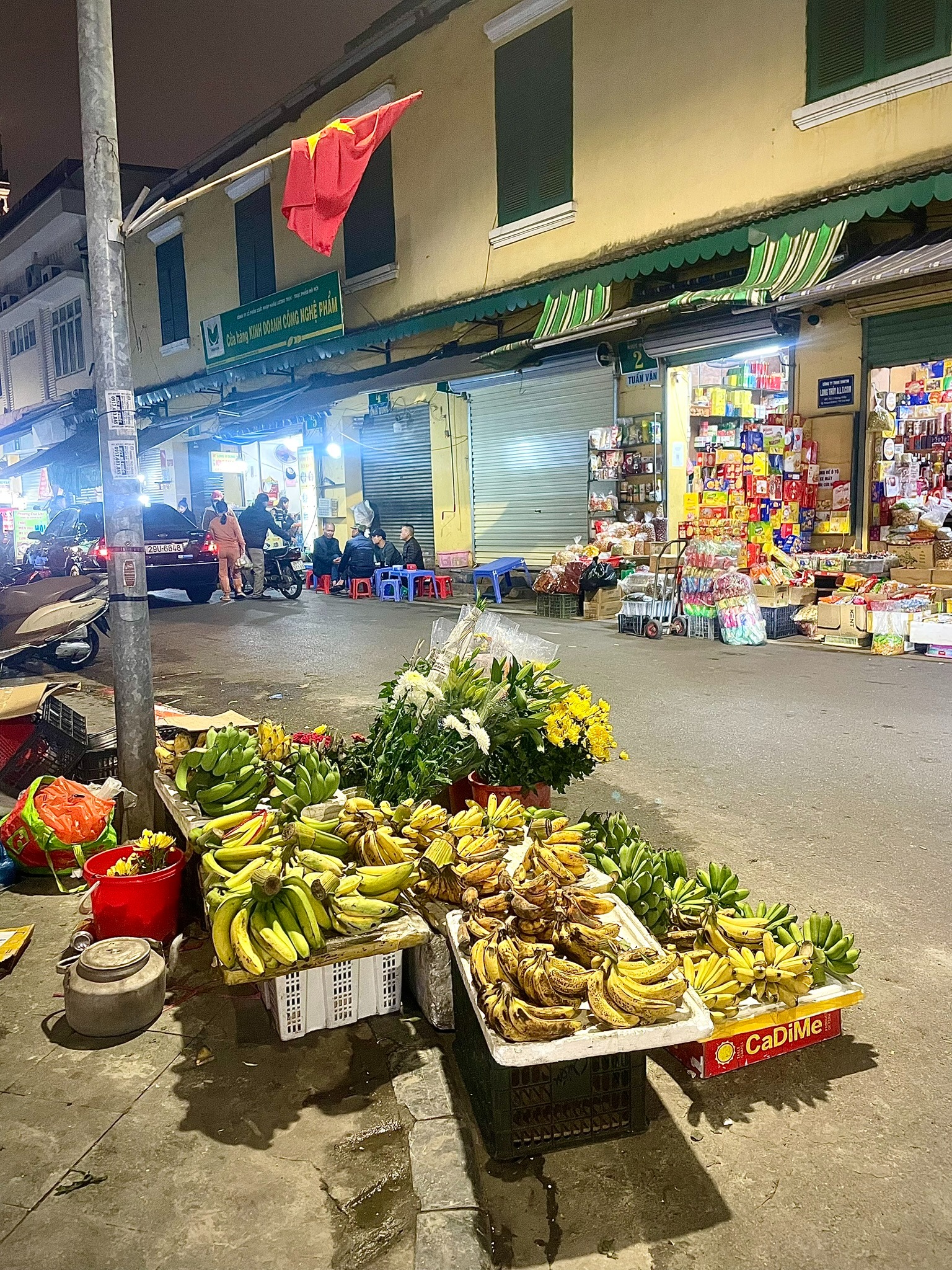
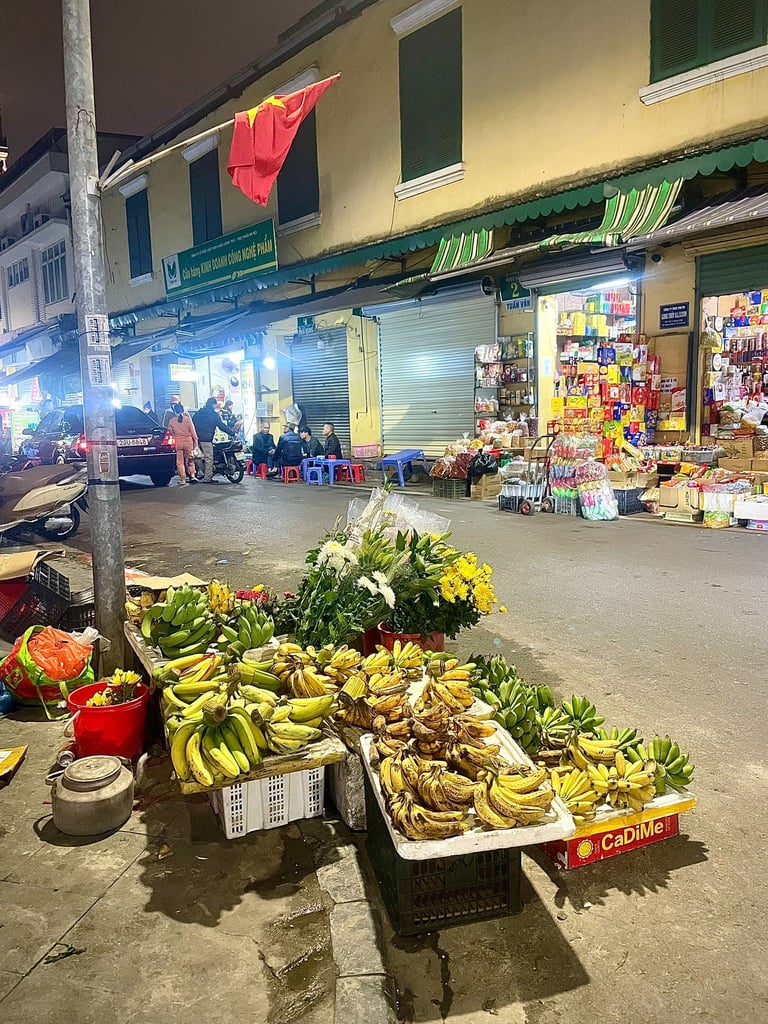
Hanoi is filled with fragrant and bustling markets where vendors sell fresh fruits, vegetables, fish, meat, and flowers. In almost every street you can hear the sounds of trade, bicycles, conversations, and laughter. Street vendors prepare dishes right in front of passersby, while the aromas of simmering phở, fried spring rolls, and freshly ground coffee fill the air.
In Hanoi, the street is much more than just a road that takes you from point A to point B. It is a place for meeting friends, cooking, drinking coffee with a cigarette in hand, walking the dog, washing the car, and carrying out everyday activities.
The architecture of Hanoi is full of striking contrasts. Next to modern skyscrapers and luxury hotels, you will find elegant colonial buildings and traditional wooden houses. Temples and pagodas, such as the Temple of Literature and the One Pillar Pagoda, offer peaceful retreats and spiritual centers right in the heart of the city.
Every walk through the capital is a different experience. From early morning strolls around Hoan Kiem Lake, where locals practice tai chi or even zumba, to visits to various museums and temples, and finally to lively night markets full of food, music, and nightlife.
Hanoi is a city you can rediscover every day. It has an incredible energy, unique aromas, and its own rhythm. Without a doubt, it is a place you will want to return to.
And yes… we came back too 😉
What to do in Hanoi
Get lost in the streets of the Old Quarter
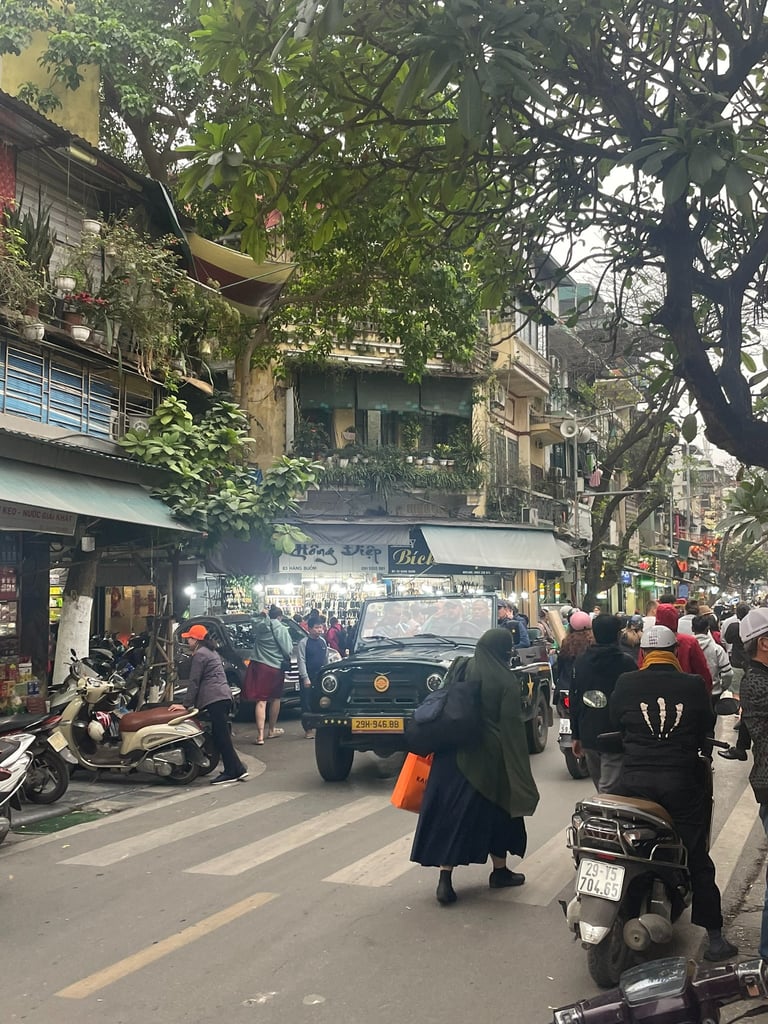
The Old Quarter in Hanoi is the heart of the capital, full of narrow streets, colonial buildings, and countless shops and stalls. Each street has its own unique atmosphere - from traditional craft workshops to street food corners, markets full of clothes, flowers, vegetables, and fruit, elegant restaurants and hotels, cafés, and bars or clubs where you can dance and enjoy a cold Hanoi beer while sitting on one of the characteristic tiny plastic stools. Walking through the Old Quarter, you can truly feel the spirit of old Hanoi and discover many fascinating places - from noisy streets filled with the sound of honking horns to quiet, charming alleys scented with freshly hung laundry.
Take a walk around Hoan Kiem Lake
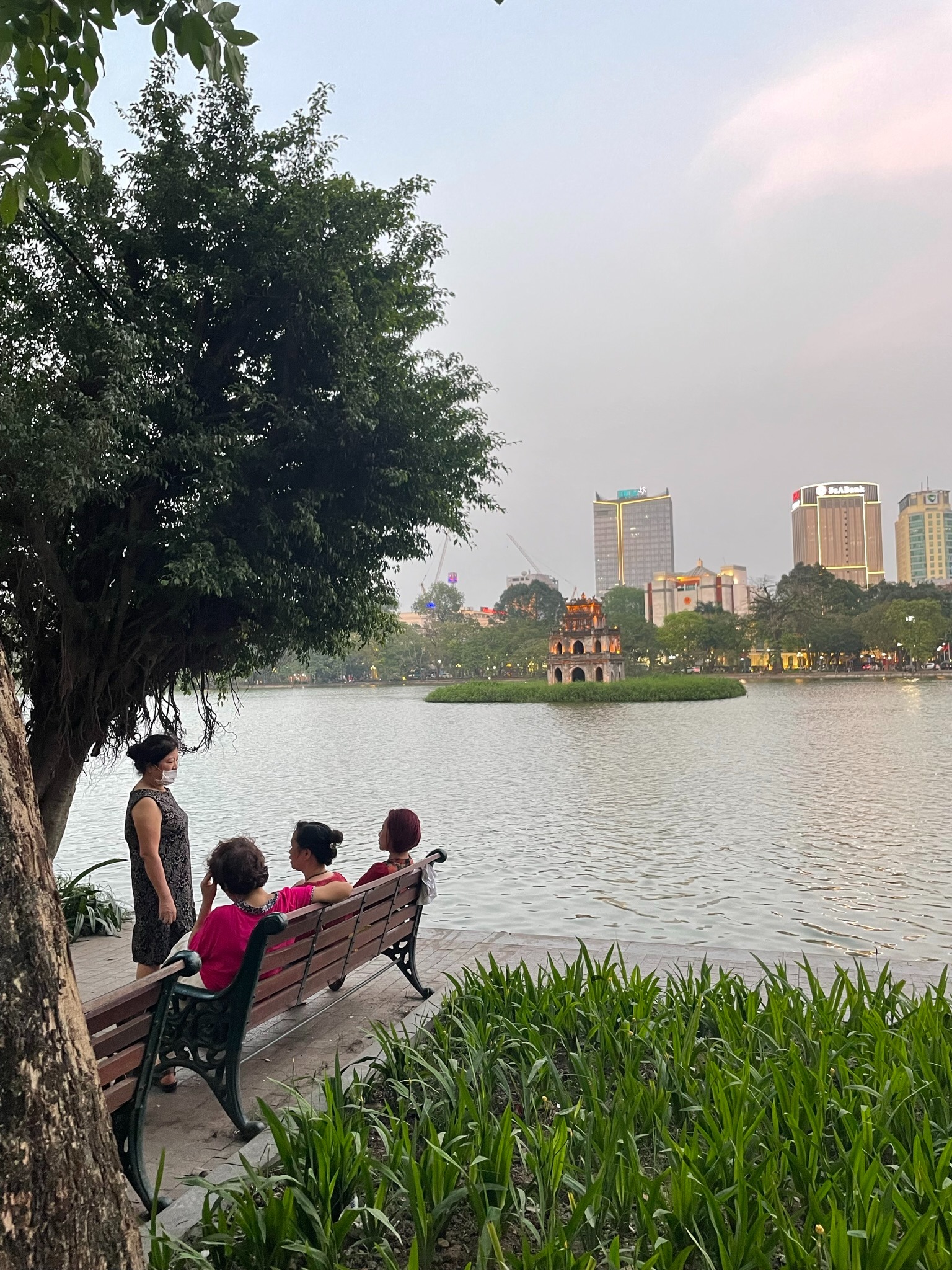
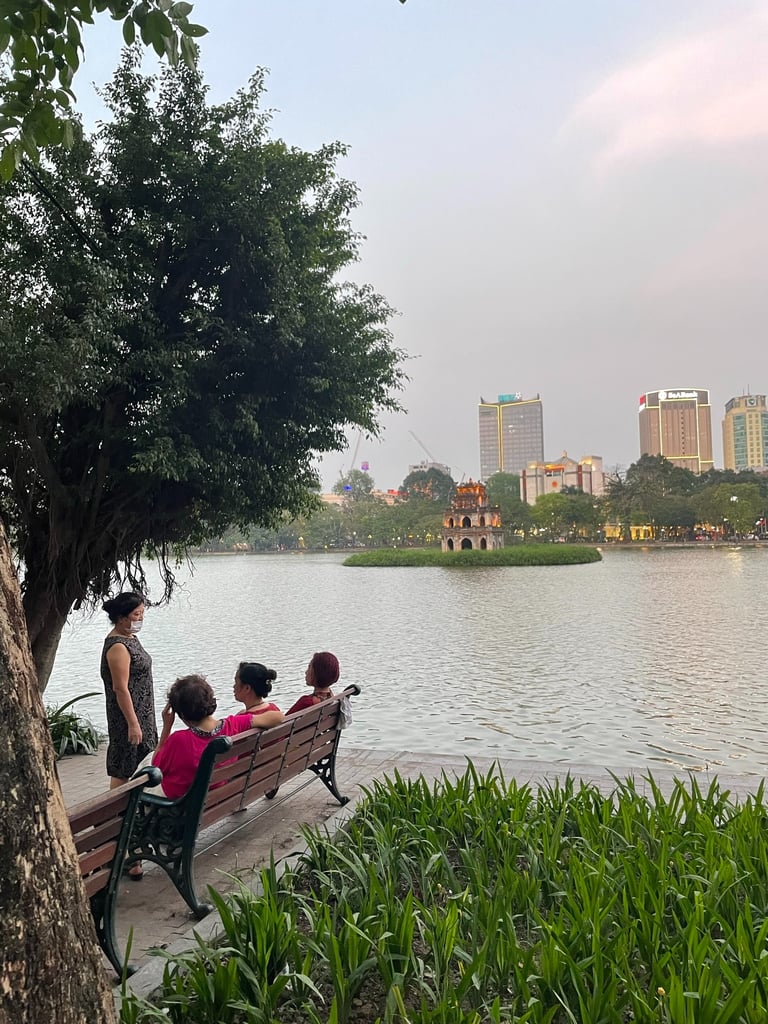
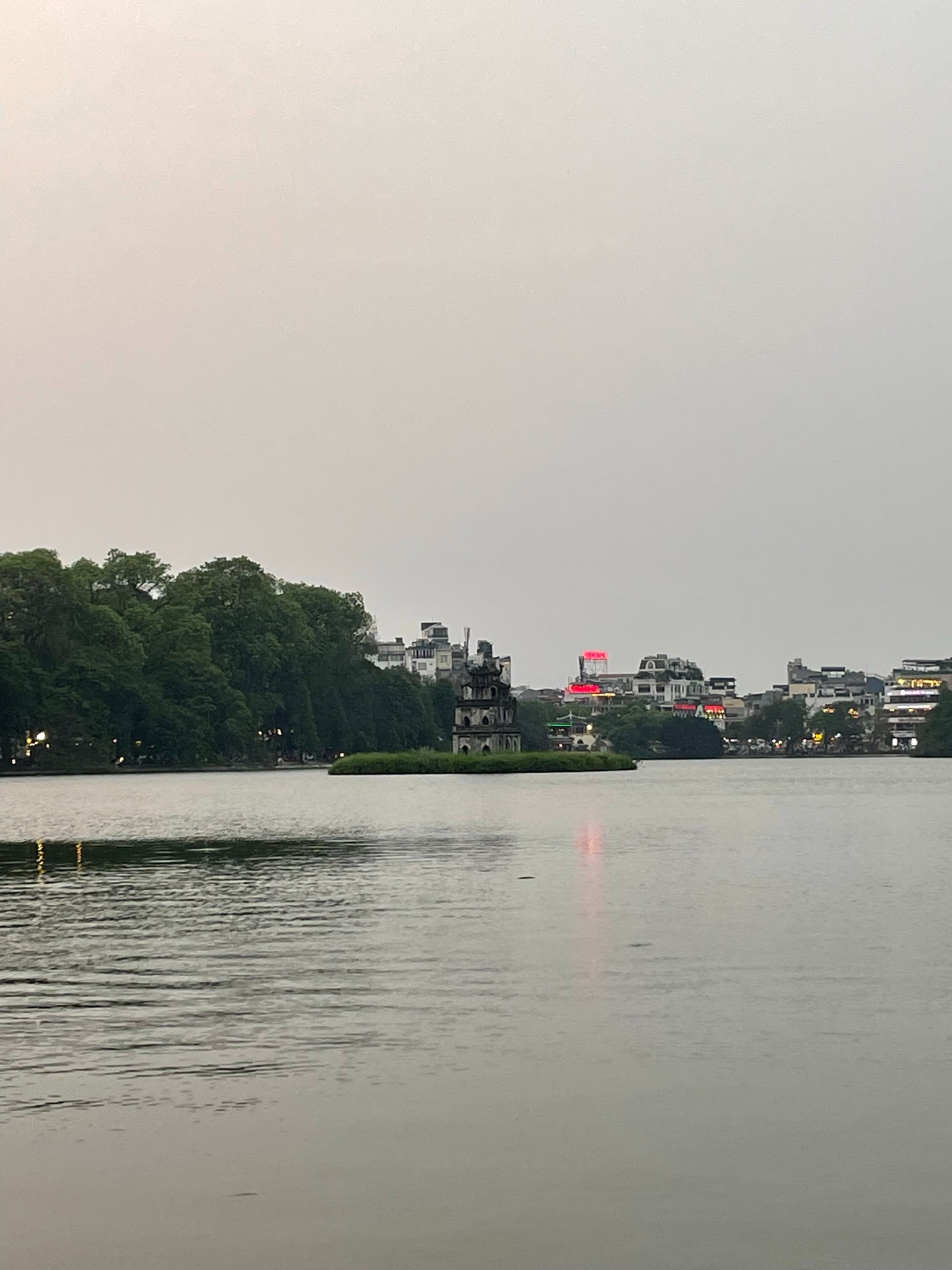
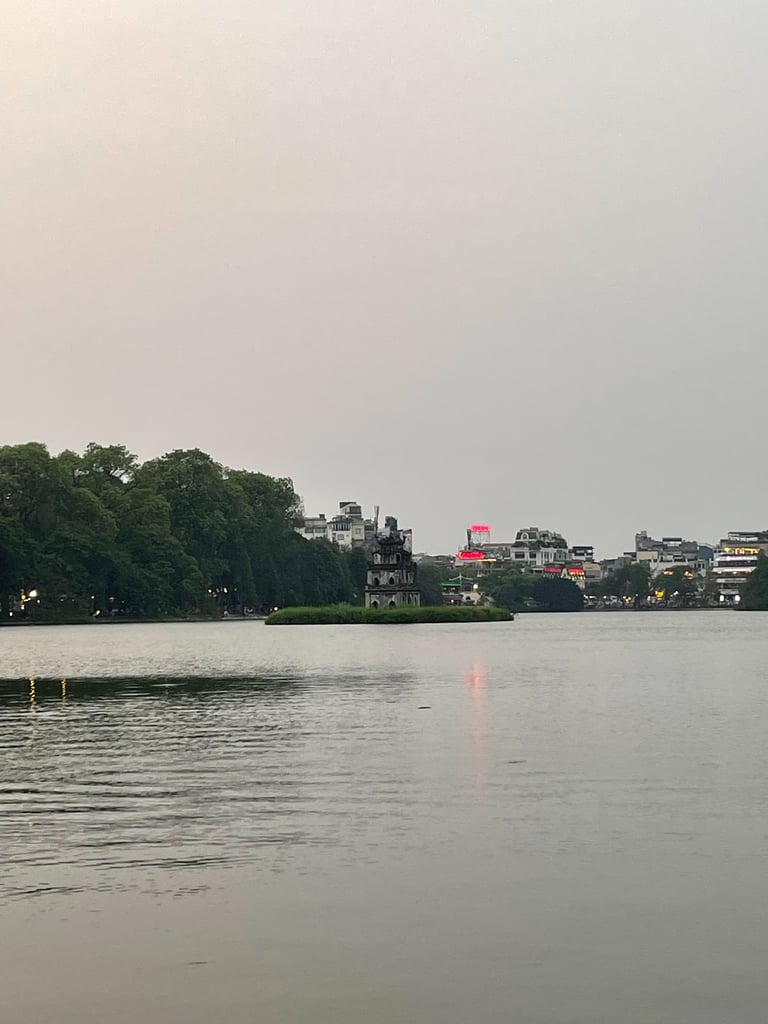
Hoan Kiem Lake is located in the city center, within walking distance of the Old Quarter. It’s a lively and fascinating place where a lot is happening. Locals gather here after work to exercise, eat, run, or ride their bikes. In the middle of the lake stands a beautiful pagoda. You can rent a pedal boat or grab a coffee in one of the nearby cafés. One of the most interesting experiences here is simply watching how the residents of the capital spend their free time.
Visit the water Puppet Theatre
The Water Puppet Theatre is a traditional Vietnamese art form with roots dating back over a thousand years. Performances take place on a water stage, with puppets controlled by puppeteers hidden behind bamboo screens. It’s not only entertaining but also a great way to immerse yourself in local culture and Vietnamese traditions. The shows often tell legends, myths, and folk stories from Vietnam, so it’s worth purchasing the audio transcription with your ticket to fully understand the stories being told. In my opinion, this is a must-see attraction in the capital. Next to (or below, if you’re viewing on a phone) you’ll find a link to book the show online.
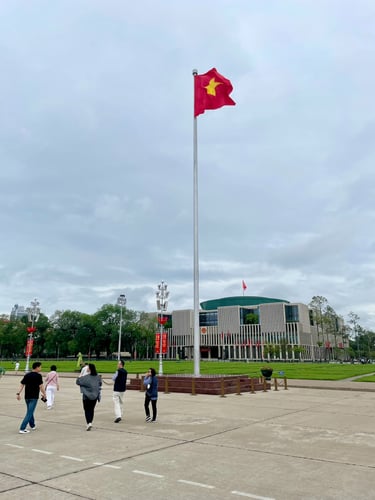
Visit the Ho Chi Minh Mausoleum
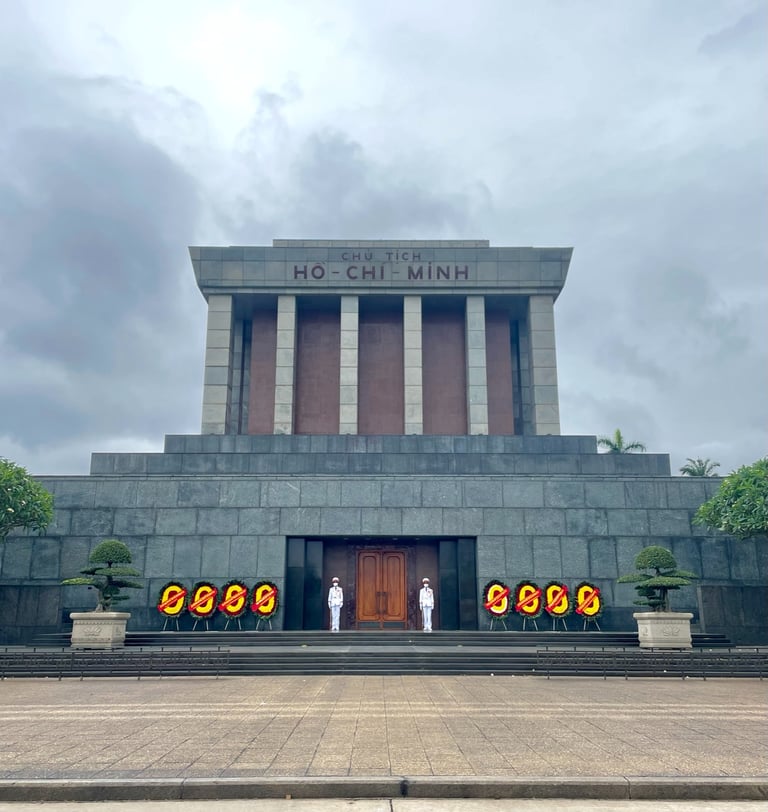
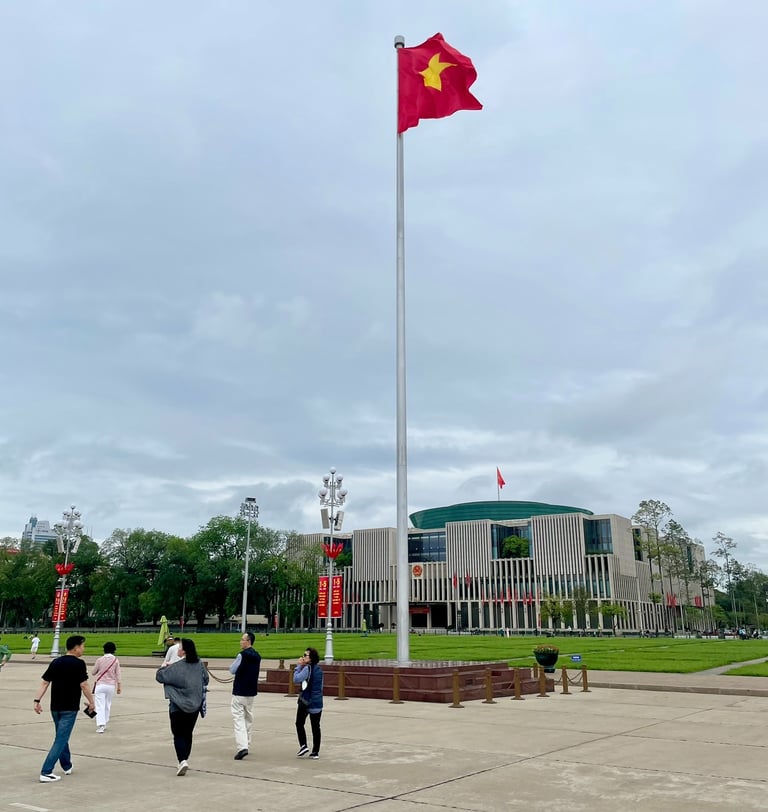
One of the most heavily guarded places in all of Hanoi, where visitors can see the resting place of the Father of the Nation, the famous “Uncle Ho.” The mausoleum itself is an impressive structure, and visiting it offers an opportunity to learn more about Vietnam’s history and understand Ho Chi Minh’s role in the country’s fight for independence. It’s also a very unique cultural experience.
Step back in time at the Temple of Literature
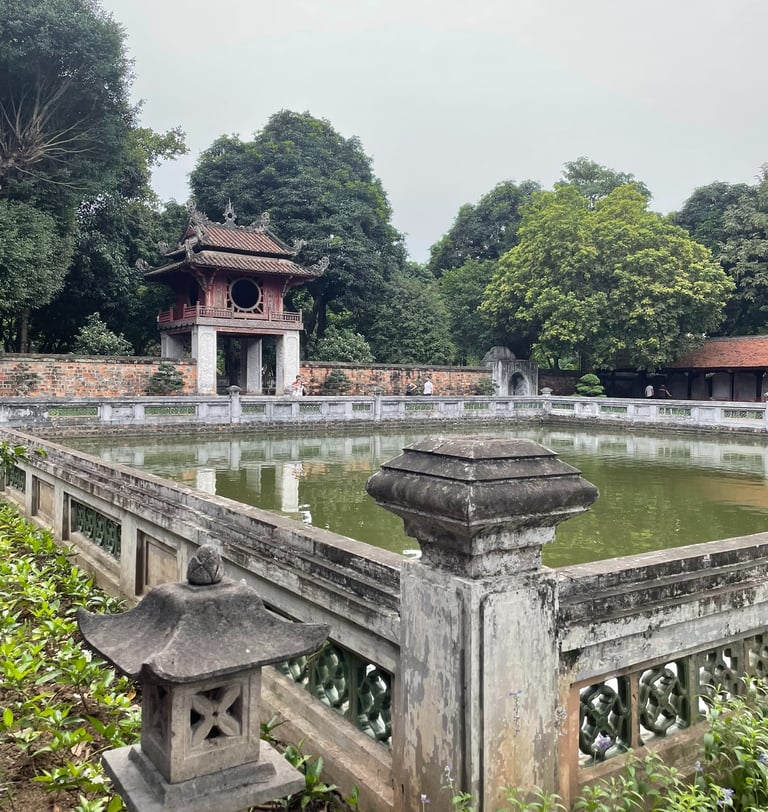
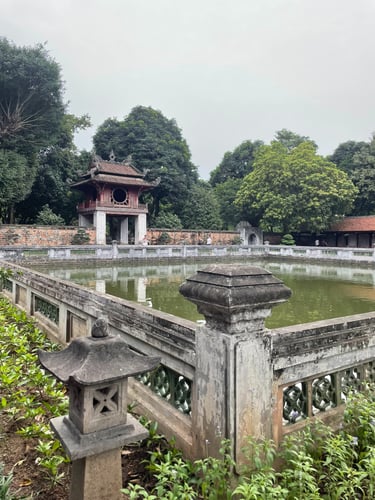
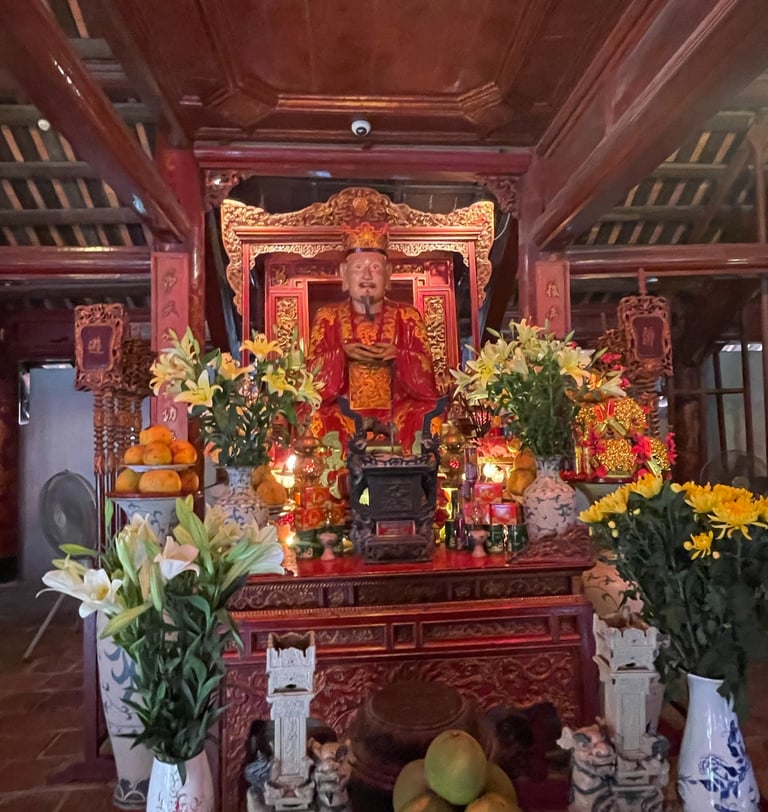
The Temple of Literature, or Văn Miếu, was founded in the 12th century and was the first university in Vietnam. It is one of the most important cultural monuments in the country. The temple complex is dedicated to Confucius. Besides its beautiful architecture, the place is known for its peaceful atmosphere, which feels almost surreal considering it lies just beyond the gates of a bustling city. It’s worth learning about the history of this complex and its significance for Vietnam. In my opinion, even though it’s not a traditional temple in the typical sense, it is one of the most beautiful and interesting sites in Hanoi and definitely shouldn’t be missed.
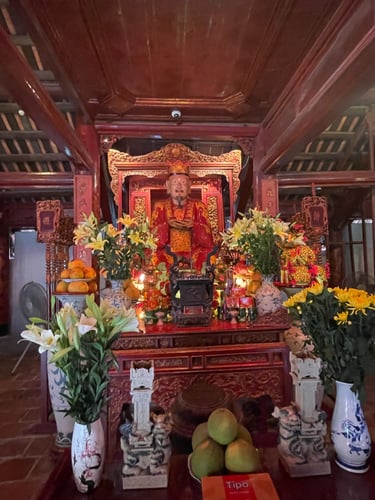
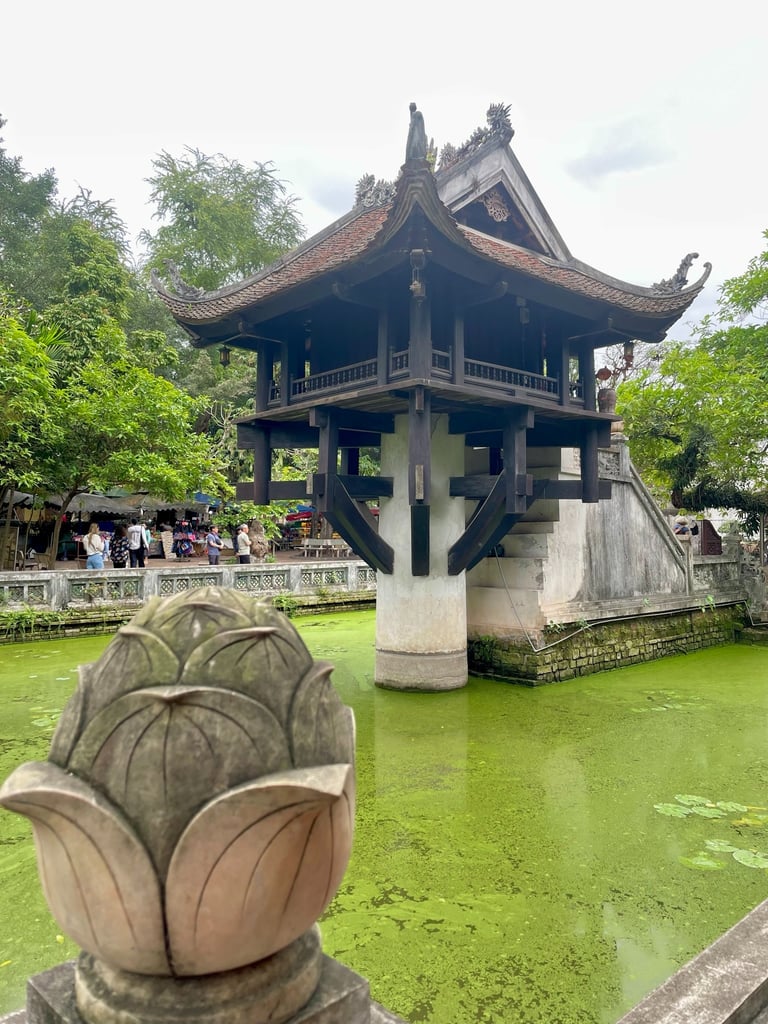
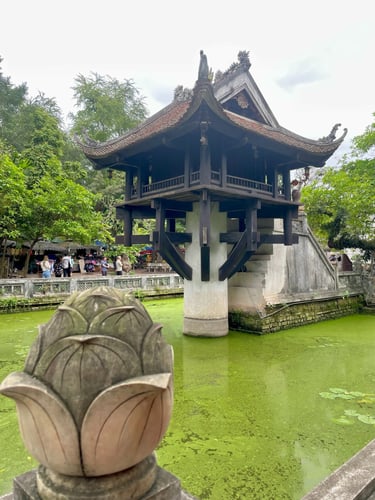
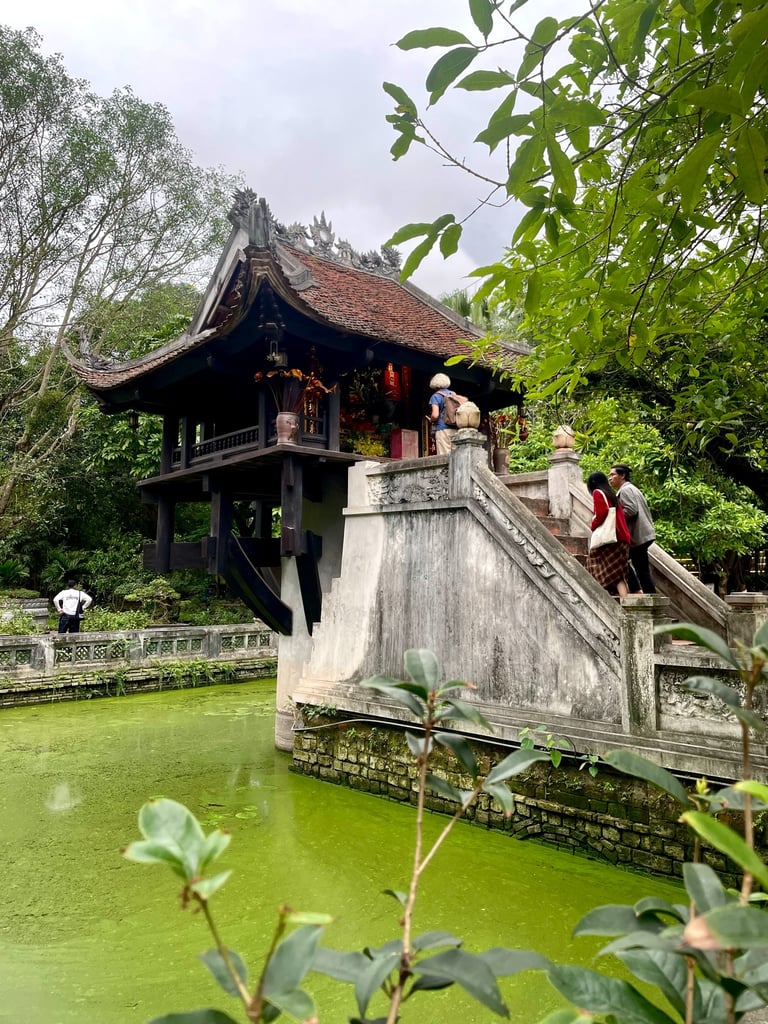
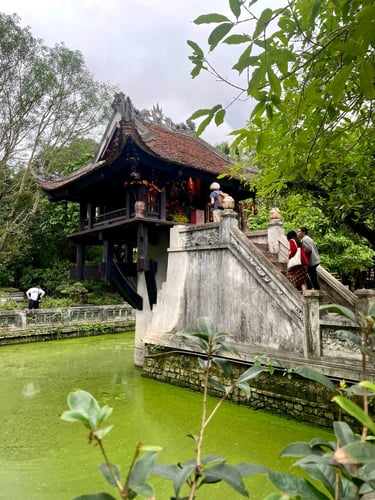
See the One Pillar Pagoda
The pagoda known as Chùa Một Cột is a unique structure shaped like a lotus flower, built on a single pillar in the 11th century. According to legend, Emperor Lý Thái Tông once had a dream in which he met a goddess sitting on a lotus flower who handed him a child. When his son was later born, the emperor built the pagoda in the shape of a lotus emerging from the water as a gesture of gratitude. Today, couples from all over the country come here to pray for blessings for their families, children, fertility, and health for future offspring. It’s a small but very picturesque place worth visiting while exploring the area.
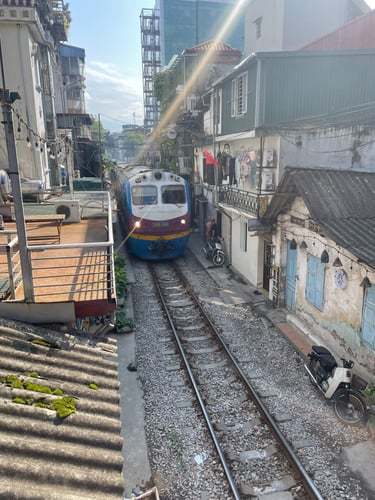
Watch the train passing on Train Street
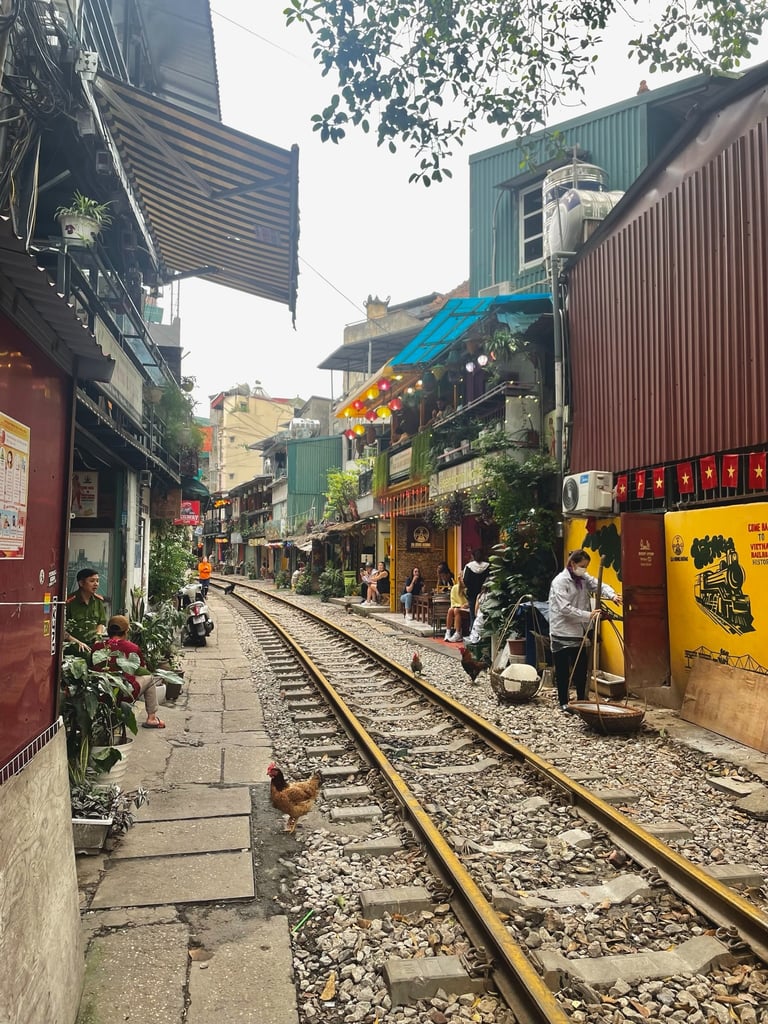
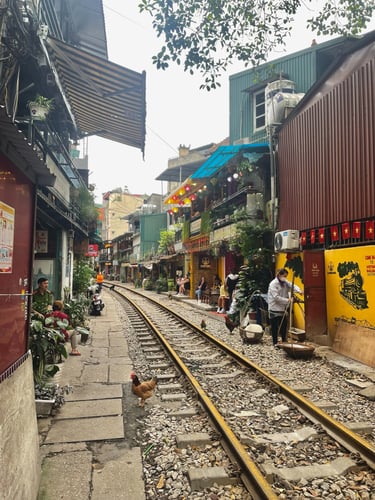
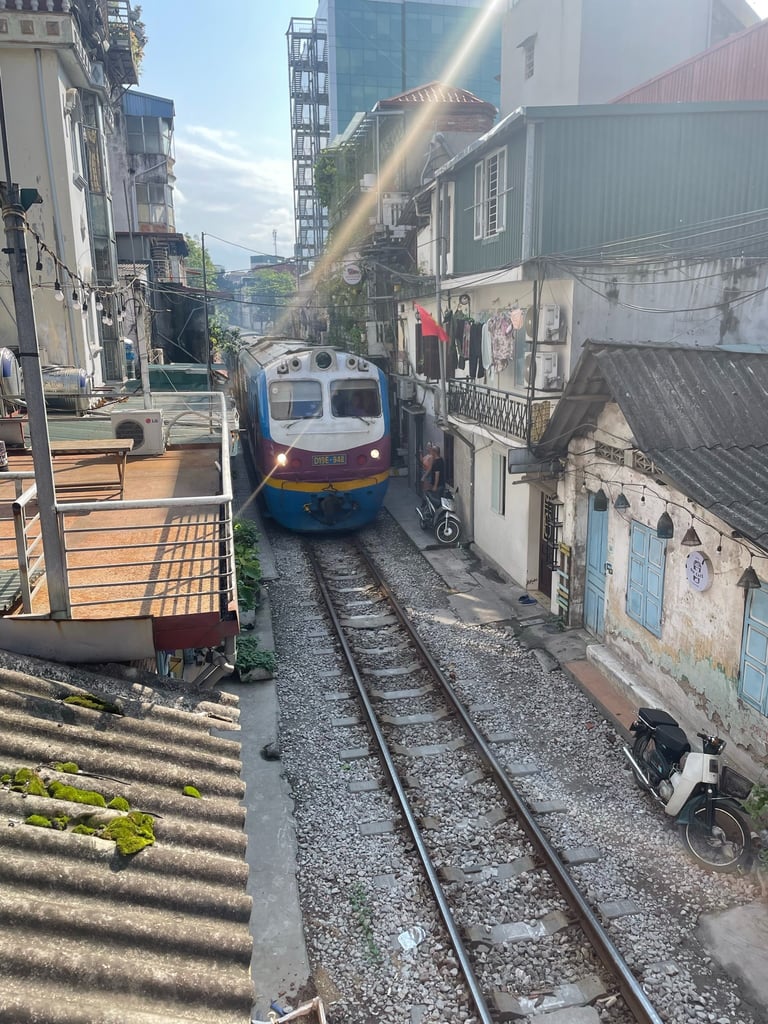
Probably the most famous street in the entire city. Several times a day, trains pass through this narrow street, causing everyday life to pause for a few minutes. The area is filled with colorful cafés and bars that are actually part of local residents’ homes. Many families opened them after the street became popular with tourists. Thanks to this, locals can earn a living while visitors get to experience this unusual attraction up close.
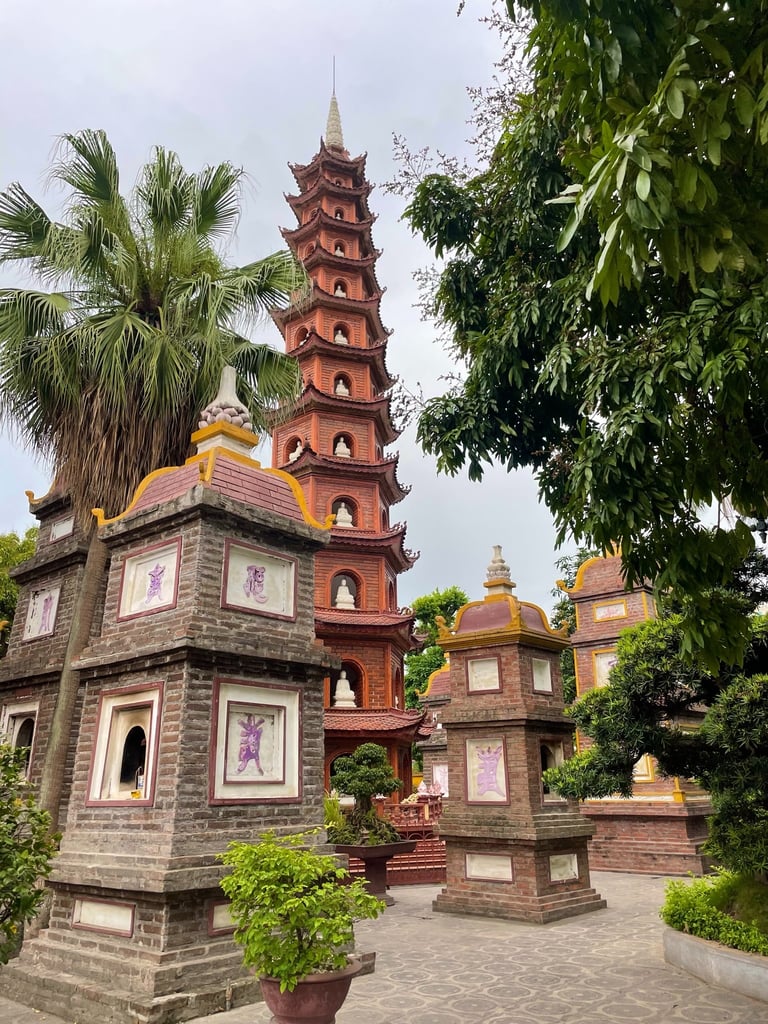
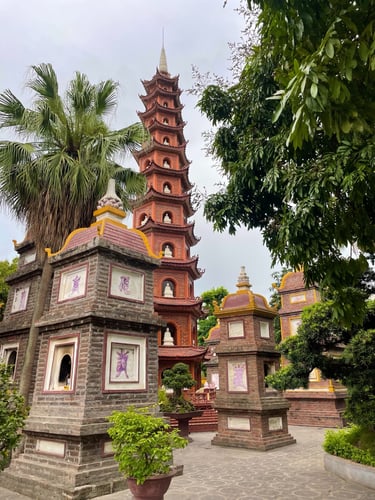
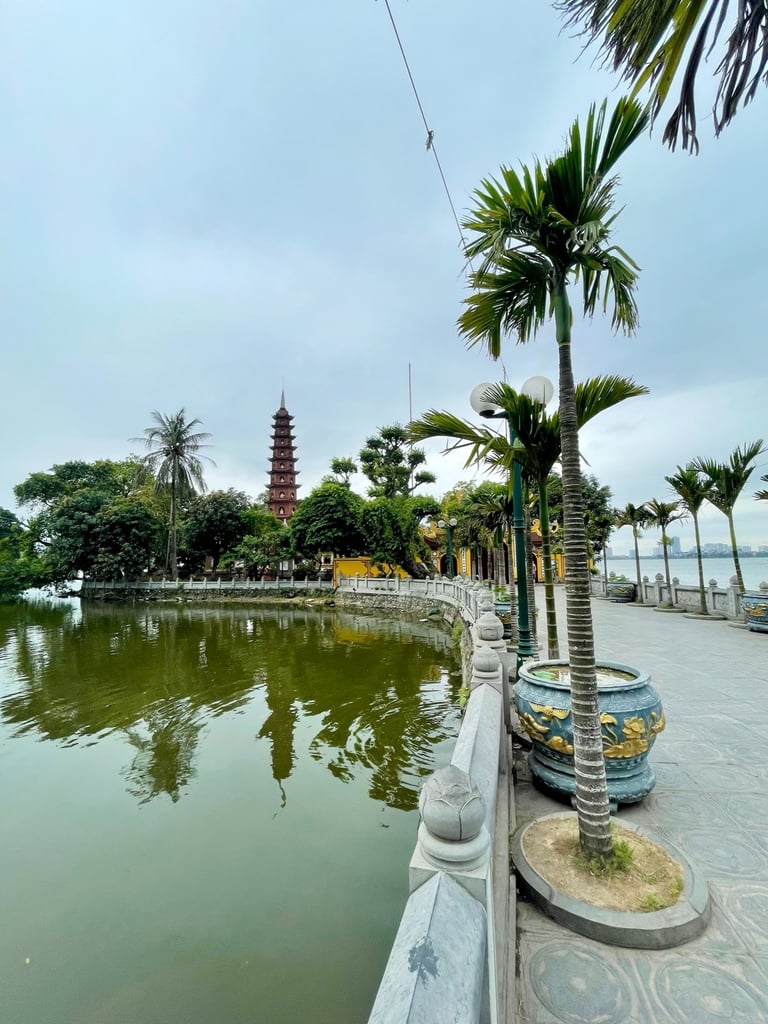
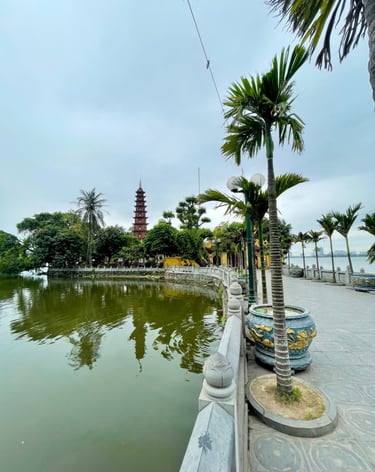
Visit Tran Quoc Pagoda
This is one of the oldest Buddhist temples in Vietnam. It is beautifully located on a small island in West Lake (Ho Tay). The pagoda is an important example of religious architecture and a popular pilgrimage site for Buddhist followers. Its history dates back more than 1500 years. Within the temple complex you can also find a very important tree for Buddhists - the Bodhi tree, grown from a cutting of the original tree under which Siddhartha Gautama, the future Buddha, achieved enlightenment.
Need help planning your vacation?
Heading to Vietnam? Need someone to plan your holiday, or just a few tips and a chat? We’re here for you.