I also invite you to read more about Vietnam in general

There you’ll find information about the country, its history, visas, the best time to visit Vietnam, which SIM card to buy, and much more! More content will be added here, so feel free to check back regularly :)

A few words about northern Vietnam

In the heart of Southeast Asia, beyond winding roads and majestic mountains, lies a region full of mystery and landscapes that look like they belong in a movie - quite literally! Northern Vietnam, although perhaps less well known than the southern part of the country, hides treasures that attract travelers from all over the world. For us, Northern Vietnam is absolutely the most beautiful region, offering breathtaking views, incredible diversity, and countless hidden gems waiting to be discovered.

Northern Vietnam is a place where tradition meets modernity, and where local culture is deeply rooted in history and legends. You can encounter many different ethnic groups here, each with their own unique customs and language. Ethnic minorities such as the Hmong, Dao, Tay, and Thai continue to preserve their traditions and distinctive way of life, despite the country’s rapid development.

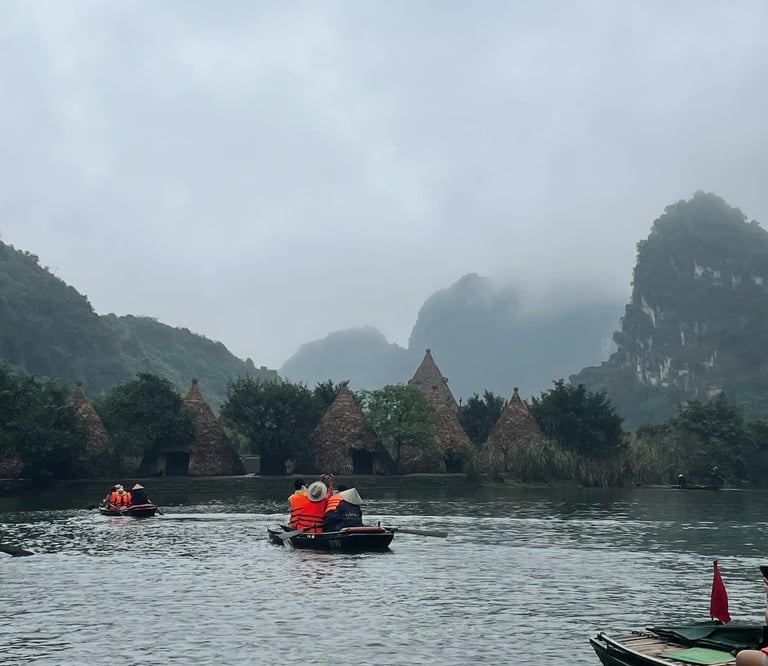
Traveling through Northern Vietnam, you will experience an extraordinary variety of landscapes - from the limestone karst formations of Ninh Binh, the endless rocky islets of Ha Long Bay, and the historic city of Hanoi with its lively streets, to the cool mountain climate of Sapa. Each of these places is unique, and it’s hard to imagine visiting Vietnam without including the northern region in your itinerary.

One of the true treasures of the north is Sapa - a small town located at an altitude of about 1600 meters above sea level in the northwestern part of Vietnam.

Sapa is also a very popular destination among Vietnamese travelers, as it is the only place in Vietnam where you can sometimes see snow during the winter. This picturesque town is surrounded by ethnic minority villages, beautiful rice terraces, and stunning mountain landscapes.

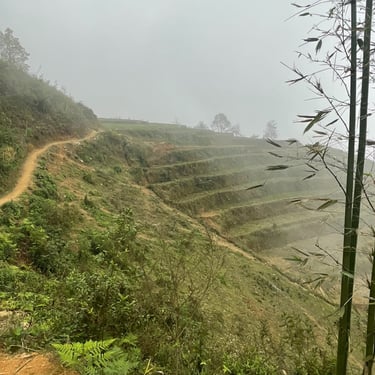
The rice terraces in Sapa and nearby regions such as Yên Bái and Mù Cang Chải are among the most spectacular in the world. If you love hiking, nature, and taking beautiful photos, you should definitely consider visiting this region.

Sapa is also a place where you can experience genuine Vietnamese hospitality, which can sometimes feel less noticeable in large cities. Local markets are filled with colorful textiles, handmade souvenirs, and fresh produce, while the locals are often eager to share their culture and stories.

Let me invite you on a journey through Sapa - its people, landscapes, and culture. It’s a place you truly need to see with your own eyes, feel its atmosphere, and understand why it is so special. As always, I won’t show you only the positive side. I’ll present both sides of this destination so you can decide for yourself whether to add it to your own “places I want to visit” list.

Sapa or Sa Pa
How to get there

Sapa is located about 380 km from Hanoi, so the easiest way to reach it is from the capital. You can also travel here from places like Ha Giang, Ha Long, or Ninh Binh.

Here are two main ways to get to Sapa:

  • Overnight train from Hanoi - The train departs from Hanoi late in the evening and arrives early in the morning at Lao Cai Station. Unfortunately, the train does not go directly to Sapa, so from Lao Cai you will need to take a bus or transfer to reach the town. The overnight train is definitely the most comfortable option, as it only offers sleeping cabins.

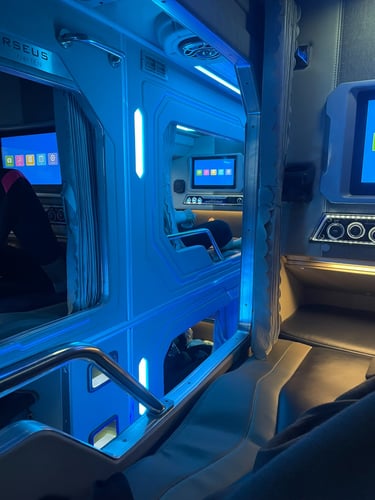
  • Sleeper bus / VIP bus / Love bus / minivan etc. - Various private buses and minivans operate throughout Vietnam, and this is the most popular form of transport. Sleeper buses have beds instead of regular seats. There are many different types of buses - with three rows of beds, two rows, semi-reclining seats, fully flat beds, and more. I recommend choosing the slightly more expensive VIP buses, as they are very comfortable. Drivers make regular stops, and you can easily get some sleep under a blanket during the journey. If you are taller than 180 cm, you may need to sleep on your side or bend your legs a bit. Other than that, it’s a great option - and they usually drop you off directly in Sapa.

By clicking on the photo, you can see what this type of bus looks like. I’m also adding a transport search tool below so you can easily check connections from anywhere in Vietnam.

What to do in Sapa?

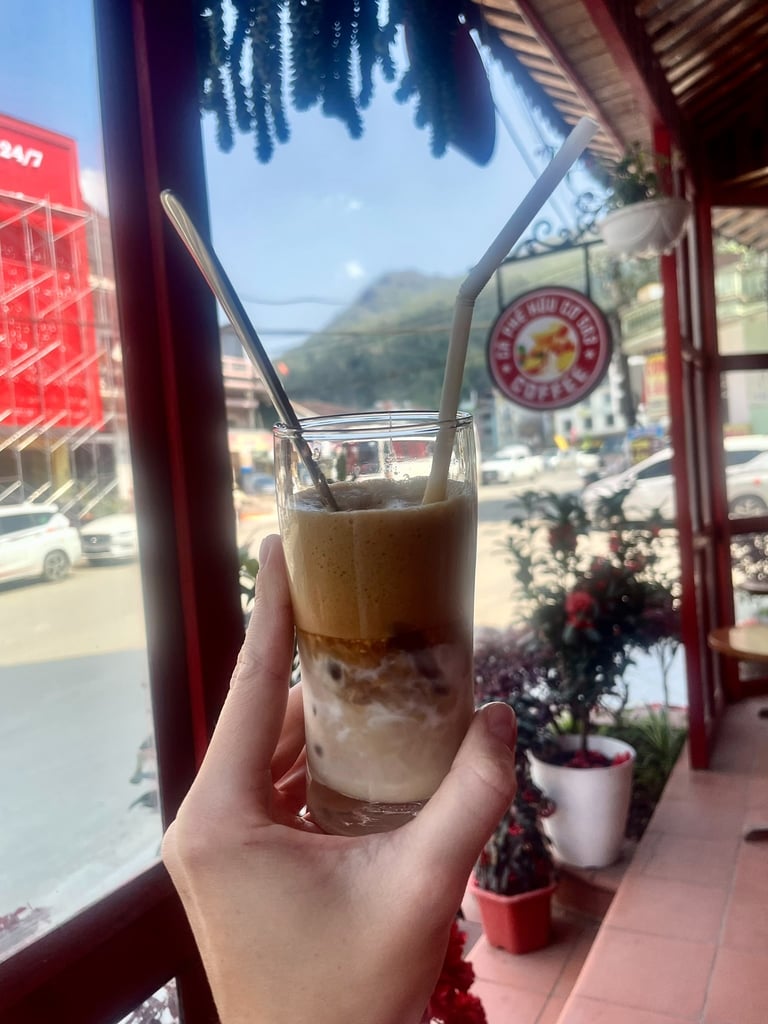
In Sapa, you can truly slow down and relax. Although it’s located less than 400 km from the capital, it feels like a completely different world. A world that surprises, fascinates, and evokes a whole range of emotions. When we arrived early in the morning, we were welcomed by beautiful sunshine and the smell of fresh mountain air. Of course, we were also greeted by plenty of drivers, tour sellers, and people offering various services who wouldn’t even let us step off the bus in peace. We politely declined and immediately did what we love doing most in Vietnam - we went for coffee. And it was here in Sapa that we had the best coconut coffee.
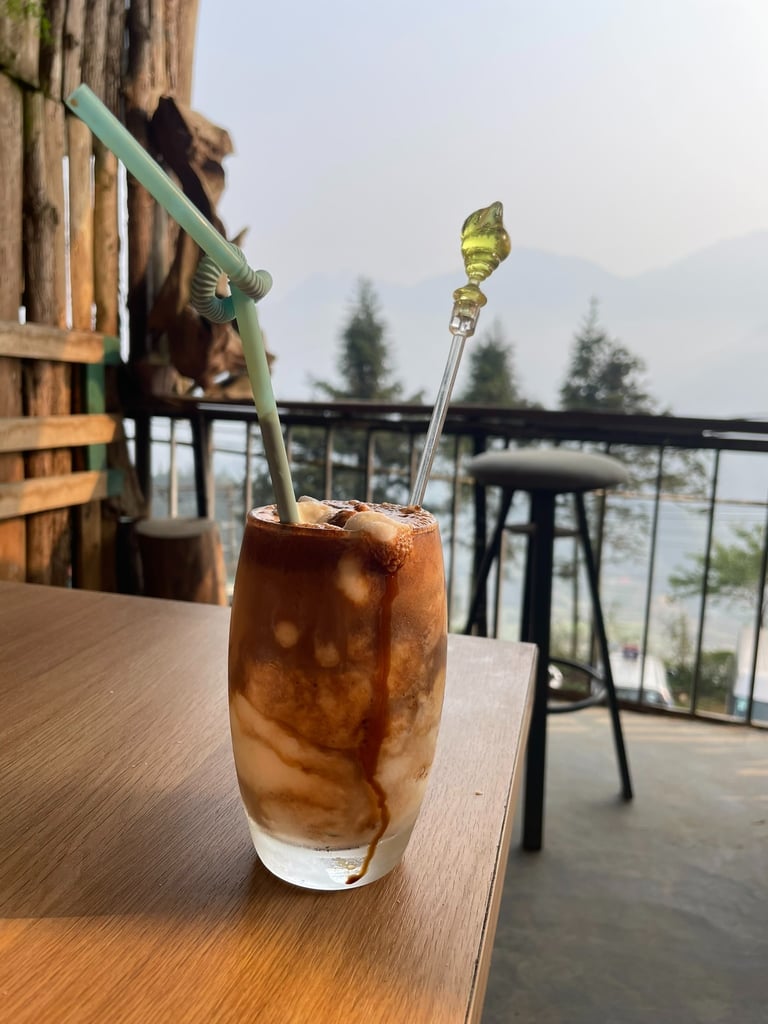
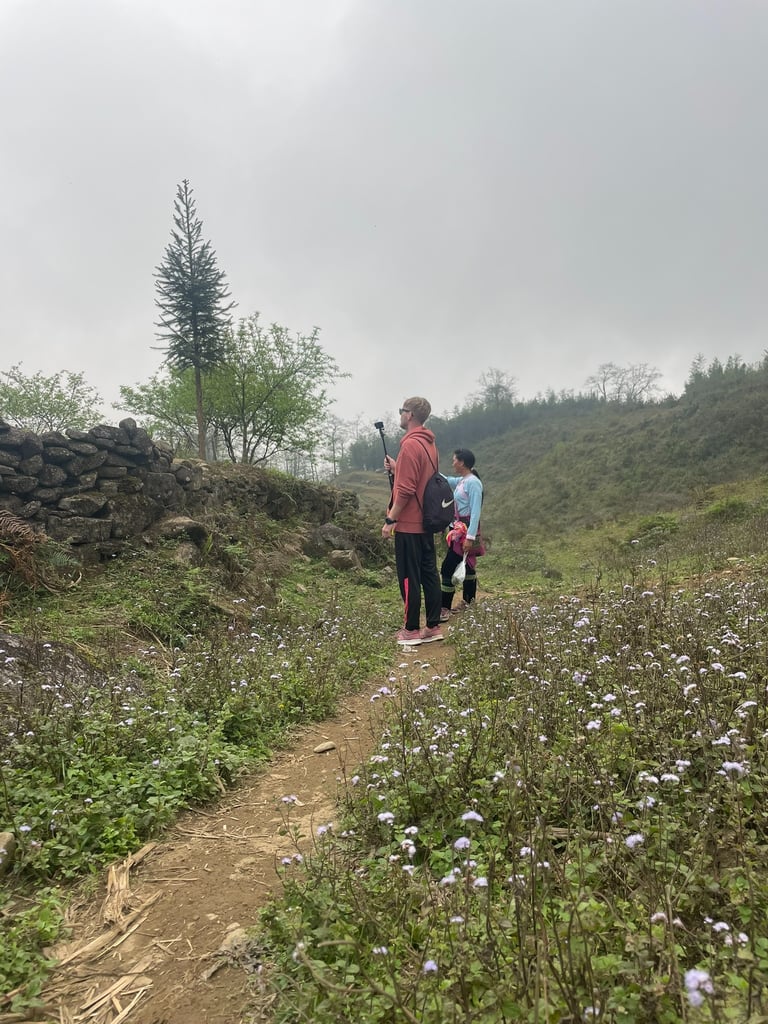
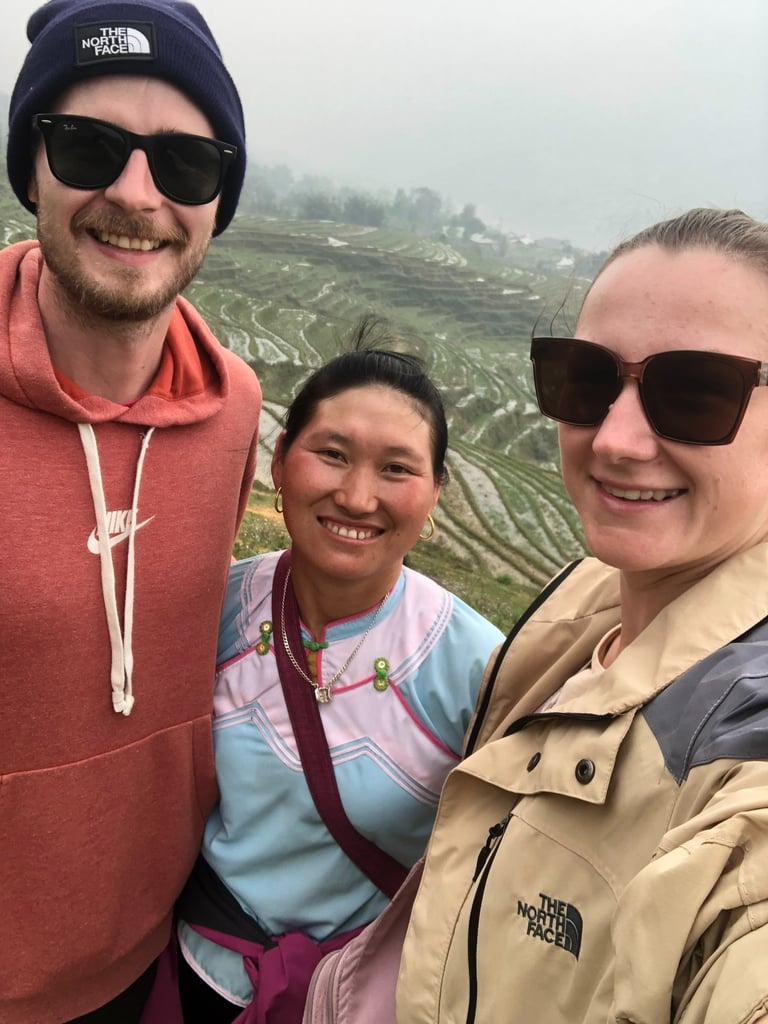
It took only a few minutes of drinking our coffee before more girls from the Hmong tribe appeared, offering trekking tours around the nearby areas. We didn’t want to take the most popular route, we definitely didn’t want to go to Cat Cat village or join a large group. We wanted to walk on our own, at our own pace - to relax, absorb nature, and learn a few interesting things along the way. After a short negotiation, we agreed to the terms of our guide, Mu. I have a feeling that either they are all called “Mu,” “Mama Mu,” or it’s simply a very popular name - kind of like mine

Trekking

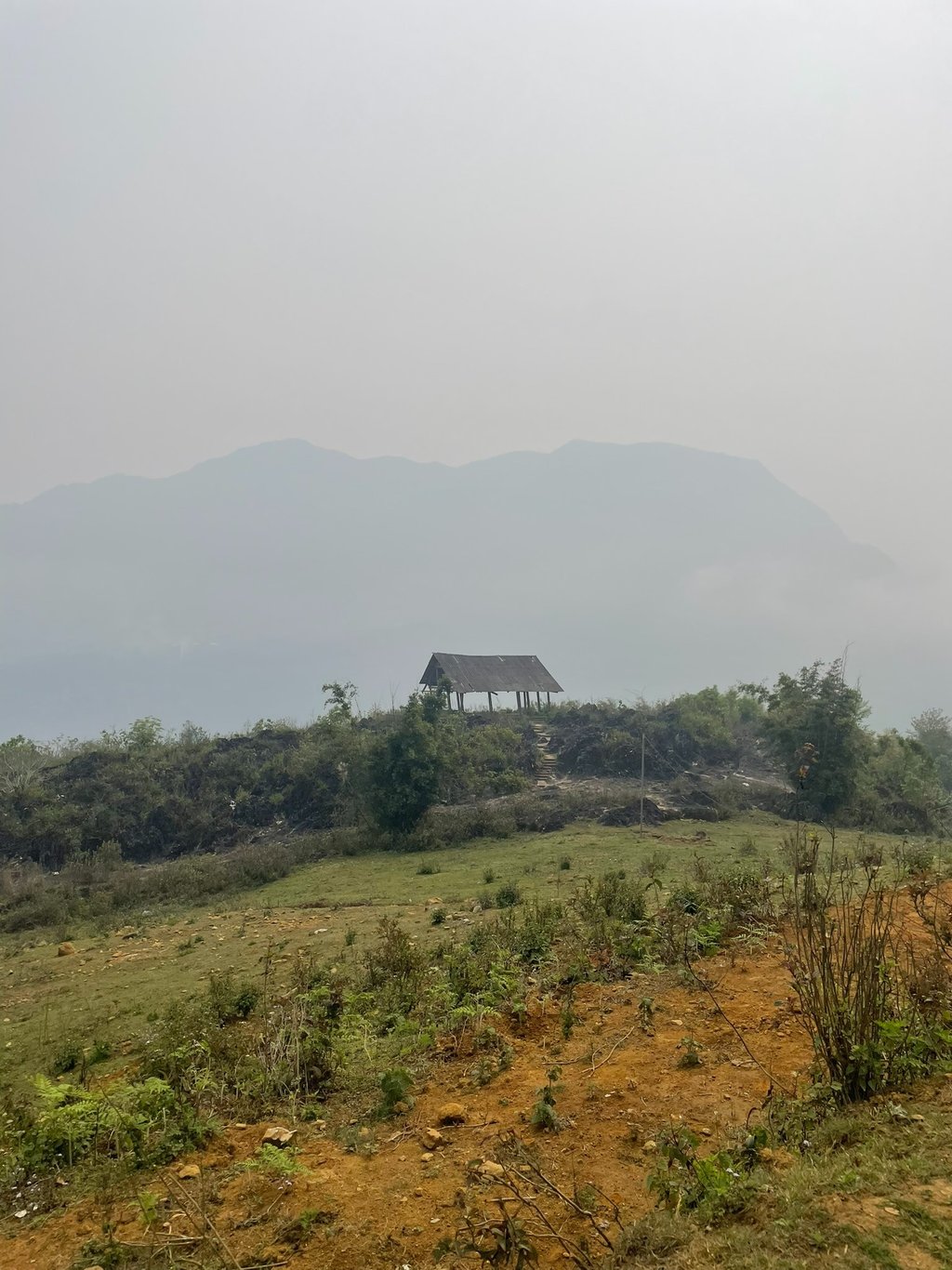
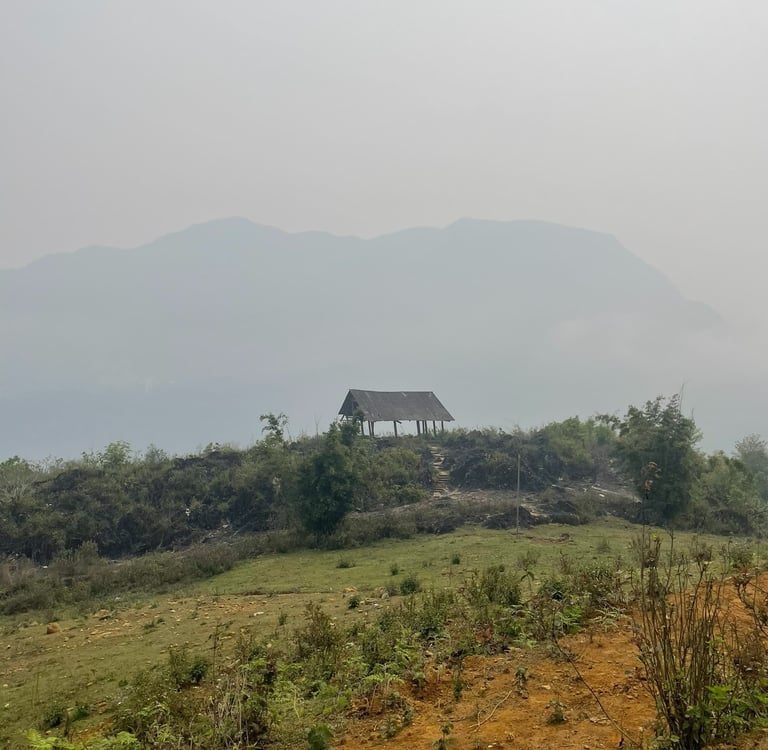
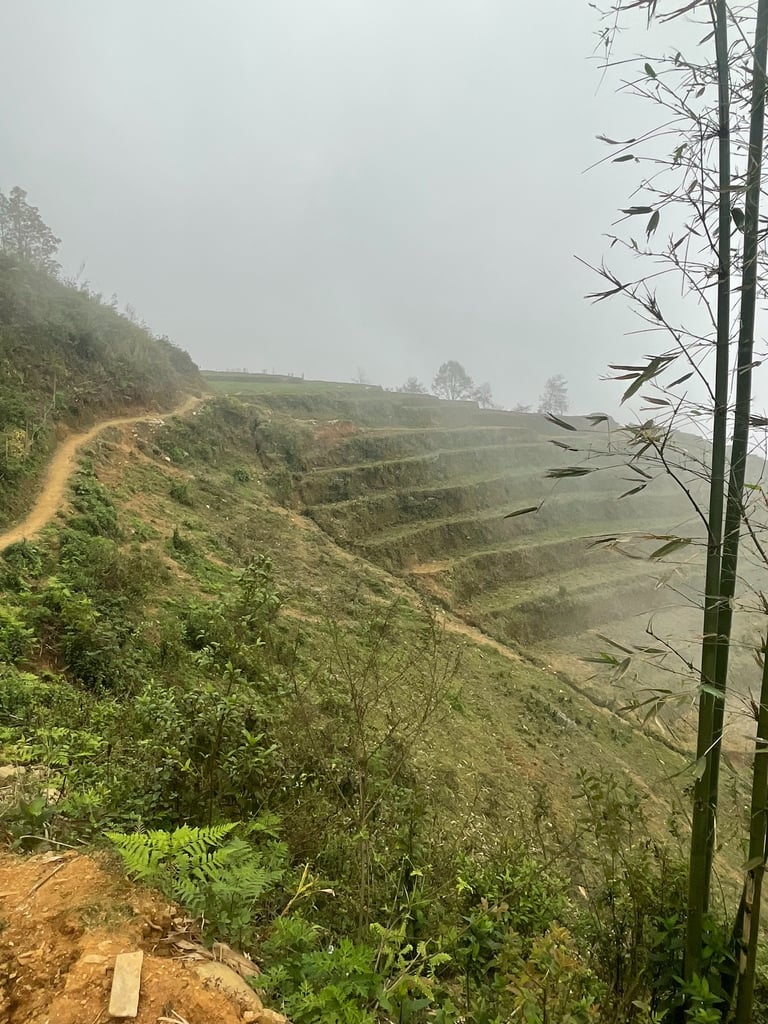
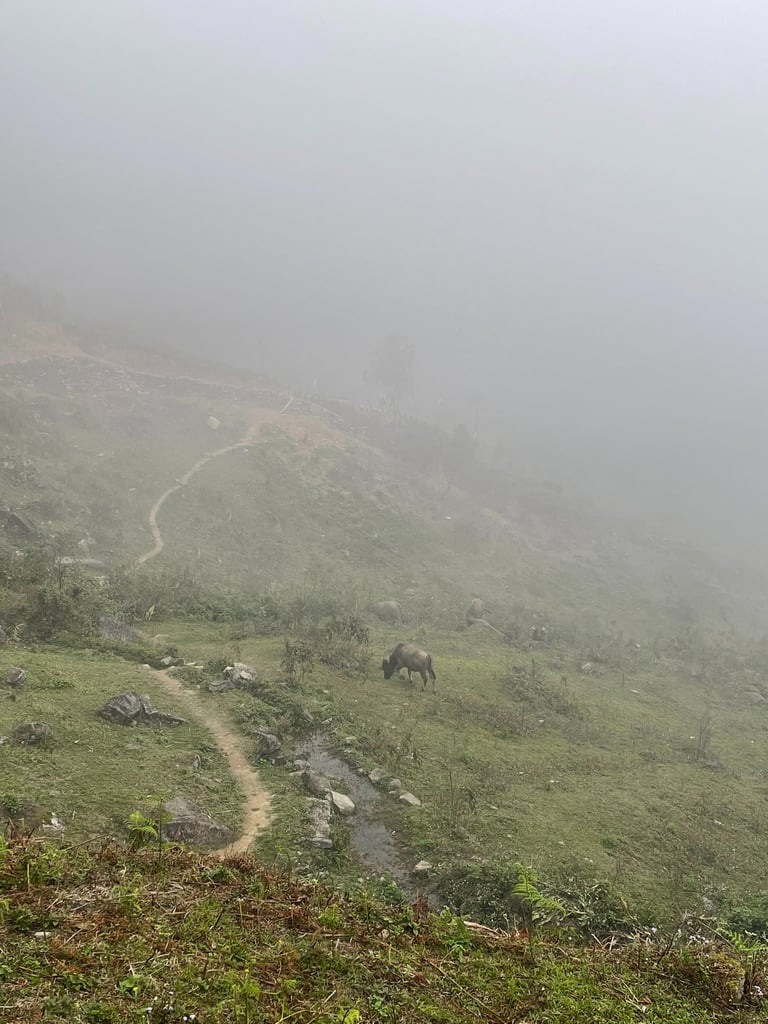
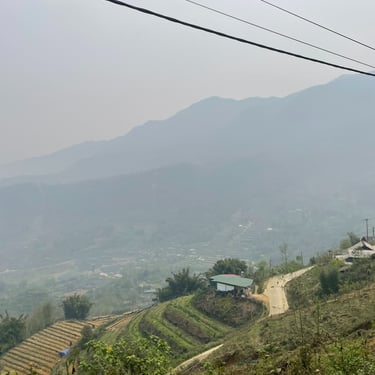
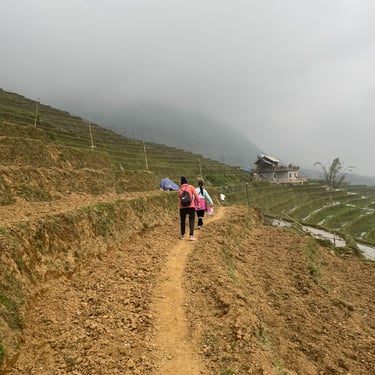
Trekking is the greatest attraction of Sapa and the surrounding region. It’s the main reason people come here. It’s important to dress appropriately - if it has rained or is raining, rubber boots and raincoats are essential. The mountain climate is very unpredictable. Sometimes the area is covered in fog, so be prepared that the views might look a little different from the ones you saw on Instagram.

Cena to ok. 100 - 150 zł za kilkugodzinny trekking za dwie osoby z obiadem i lokalnym przewodnikiem.

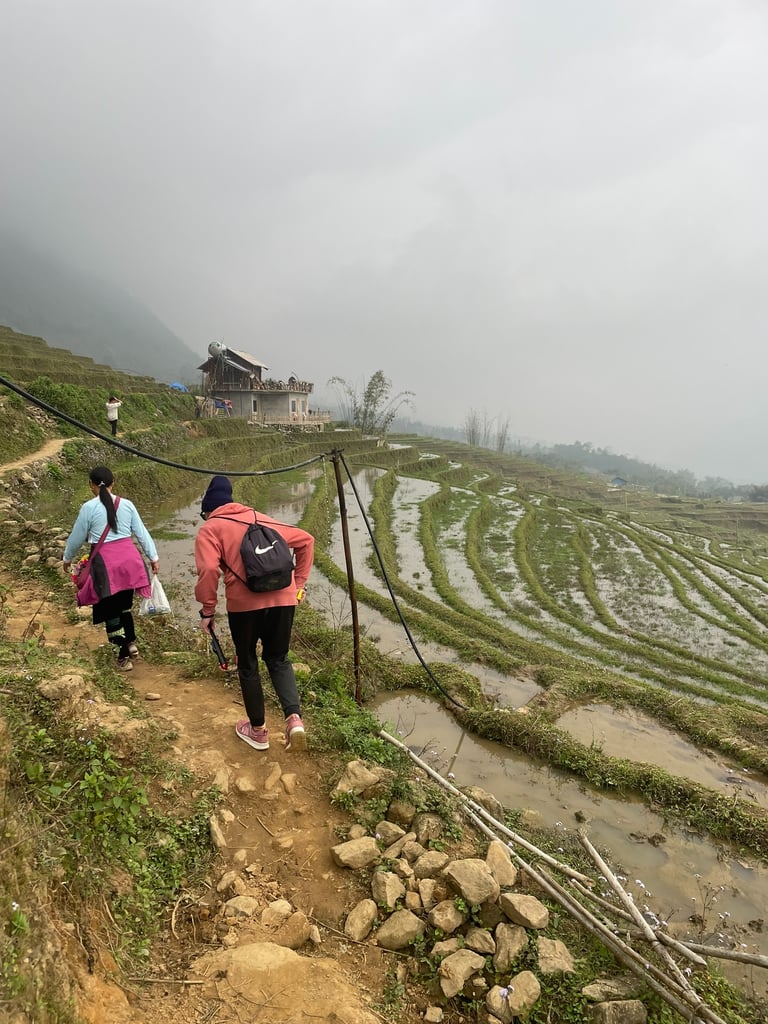
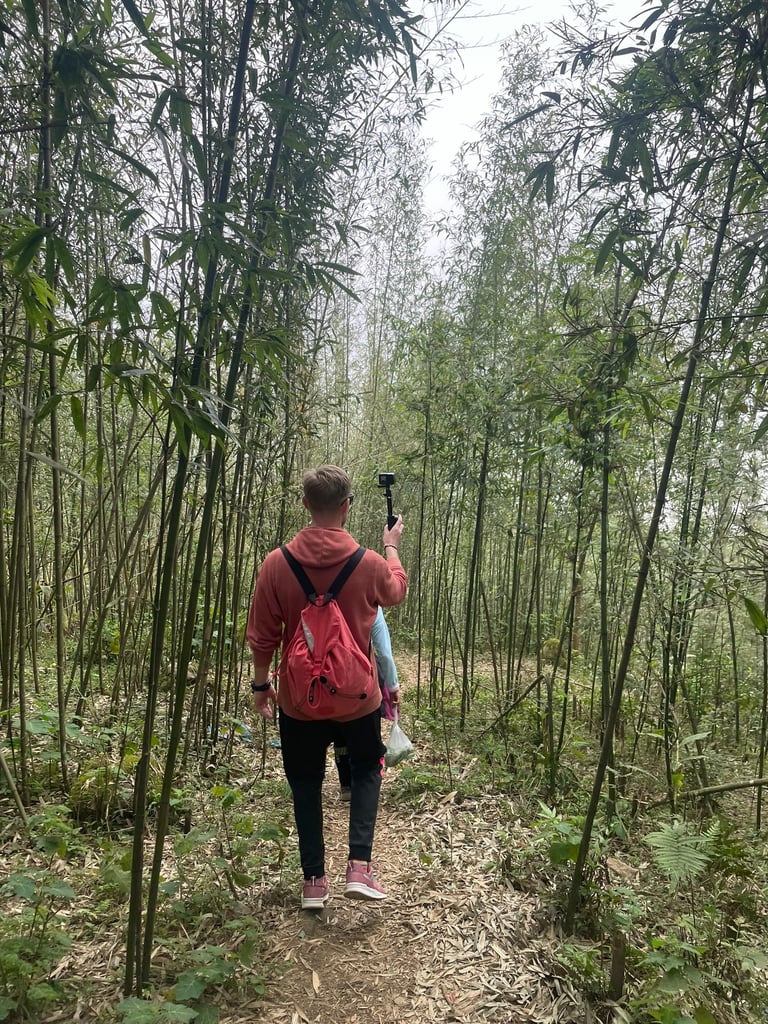
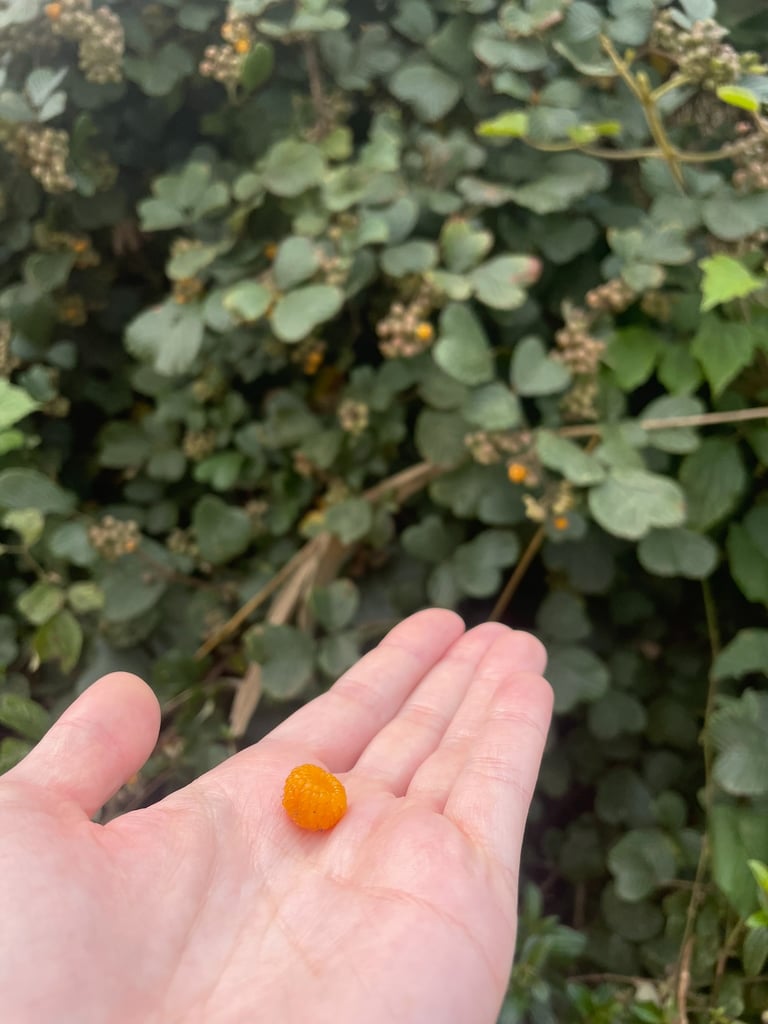
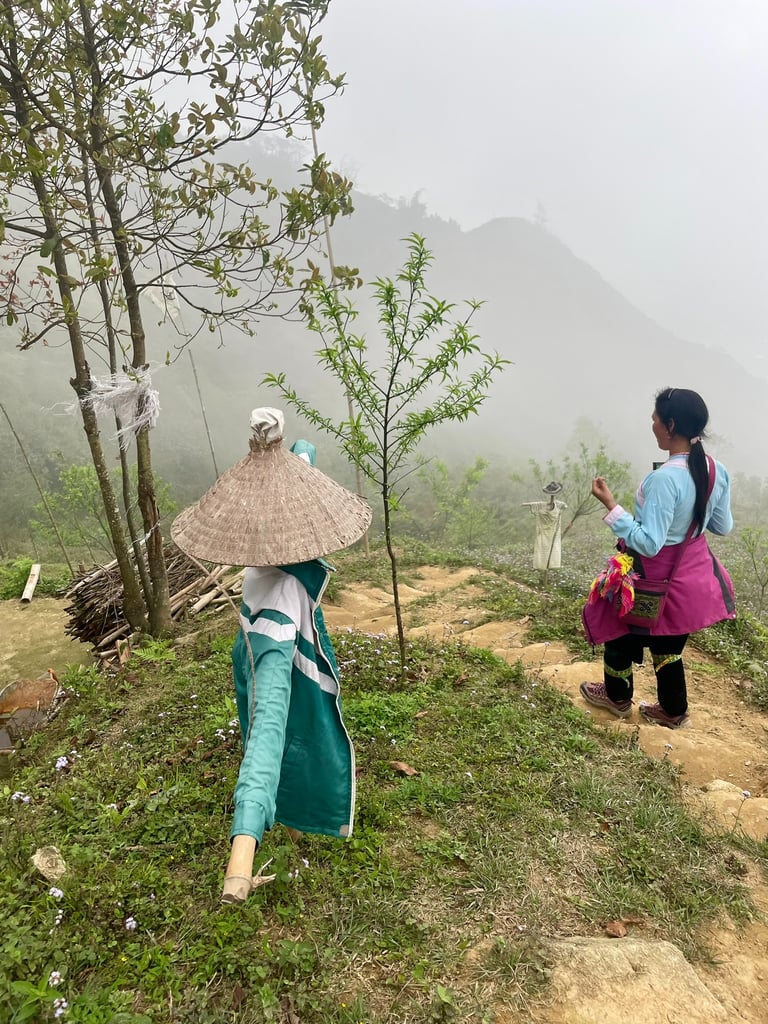
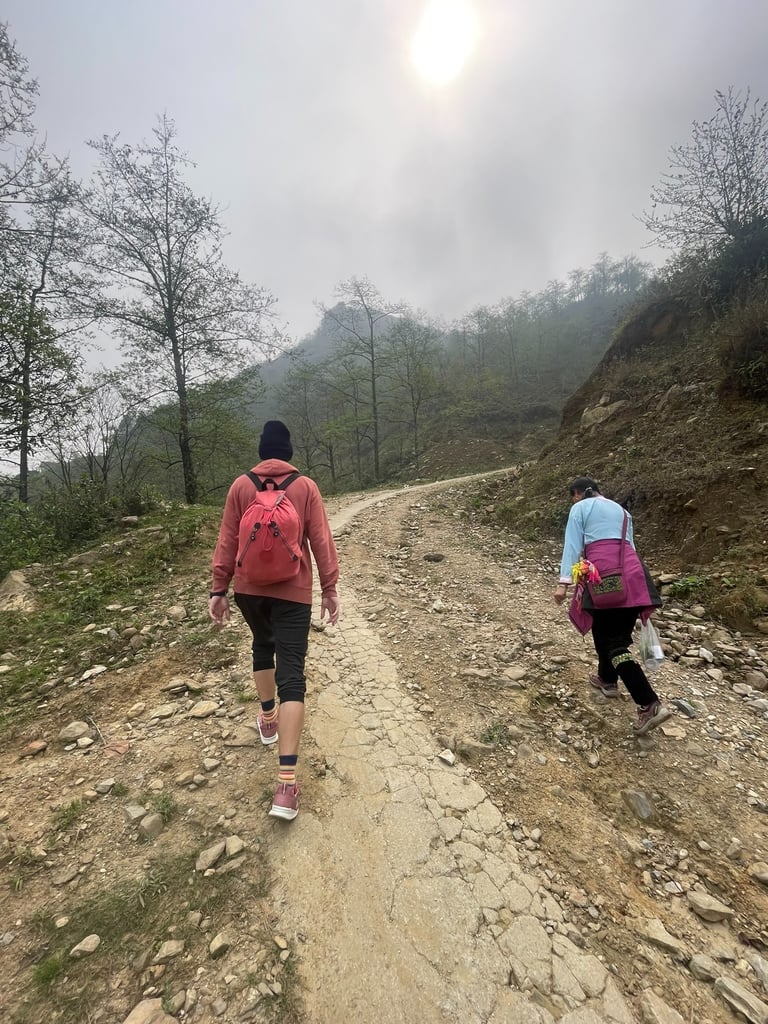
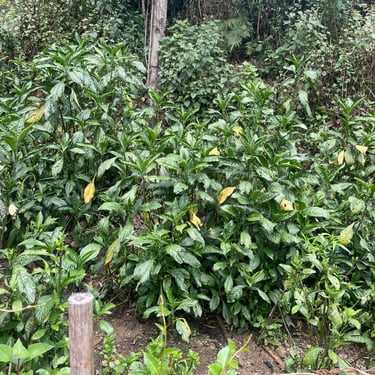
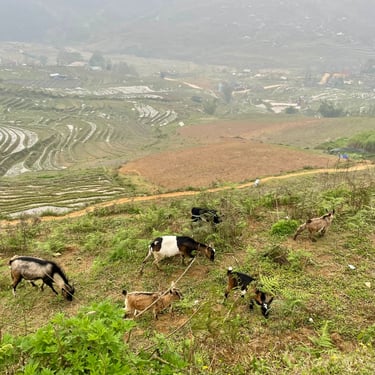
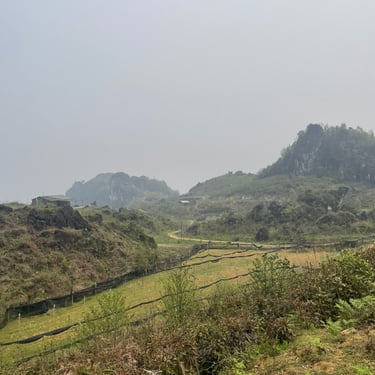
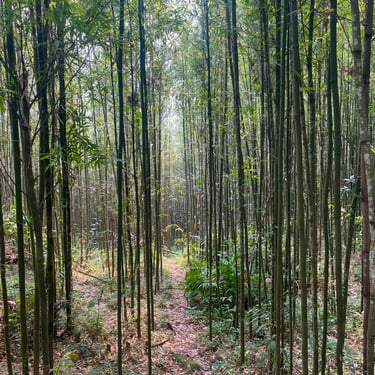
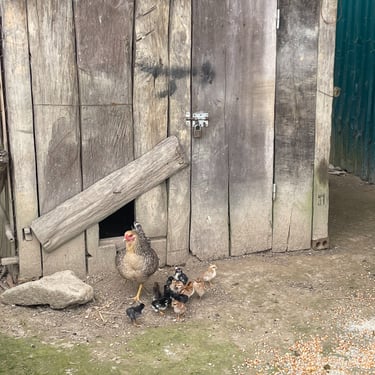
Despite the fog, we were still completely enchanted by the surrounding nature and the lush green fields. We had the chance to see how local people grow corn and other crops. As we walked through nearby villages, we saw animals grazing and listened to the sounds of nature. Along the way we tried wild raspberries, saw m0rijuana growing naturally without any human involvement, learned about plants used by local tribes to dye their clothes, and discovered that those huge buffalo are actually very friendly and harmless animals. We also saw beautiful white marble, walked through a bamboo forest, and listened to many fascinating stories about the people of northern Vietnam.

One of the more surprising things we learned was that the vast majority of people in northern villages cannot read or write - even in their own language. Many people who guide tourists have learned English purely by listening to foreigners who have been visiting Sapa for years. It was hard for us to believe this, especially since our guide Mu had a very good vocabulary and accent. But when she sent us voice messages on WhatsApp instead of written ones, we realized it was true. People here live mainly from farming, selling their products, and guiding tourists through the surrounding areas. Mu told us that she once worked for a larger tour company and guided tourists for an entire month - only to receive no payment in the end. She was cheated, just like many others who try to earn their living this way. Now she works for herself, which allows her and her family to live quite comfortably. She continues improving her English and enjoys meeting people from all over the world. Interestingly, Mu has never been to Hanoi. She’s afraid she wouldn’t know how to buy a ticket on her own or find her way around such a big city - although she would really love to visit someday.

Trekking in the surrounding area is a beautiful experience. During this several-kilometer walk, you not only get to admire stunning landscapes, stretch your legs, and sweat like a 🐖, but also encounter a completely different culture. You exchange perspectives, tell your own story, and listen to the stories of people from the other side of the world. You learn about their daily realities and the challenges they face. You may also see poverty here. You might encounter persistent sellers or even moments where you feel slightly overwhelmed. But after visiting many countries, we’ve learned that this is often simply a way for the poorest people to survive. We try to politely decline, avoid unnecessary arguments, and simply walk away. For some people it may feel irritating, frustrating, sad, or moving. For us, it’s just part of traveling - you keep going, even if sometimes it’s not easy. Both sides see the world differently. Remember that wherever we travel, we are only guests. We have no right to judge anyone, to look down on anyone, or to say what is right or wrong. The world is beautiful because it is diverse. And with that unfinished thought, I’ll leave you here - below you’ll find a few more snapshots from our trek.

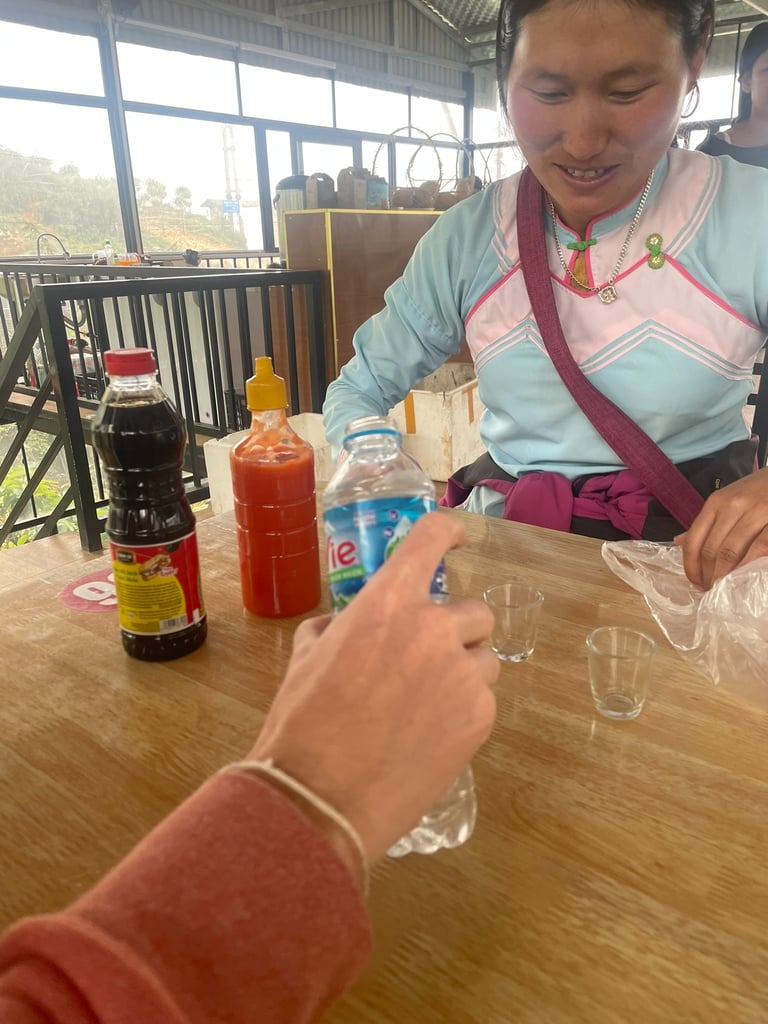
Mu also runs her own homestay in a beautiful location. If you’d like to experience a longer, two-day trek with an overnight stay, I highly recommend it. I’m pretty sure that at some point she’ll pull out a bottle of “happy water,” and suddenly you’ll sleep much better 😀 If you’d like the phone number of our wonderful guide, we’ll gladly share it in a private message.

Moana Sapa

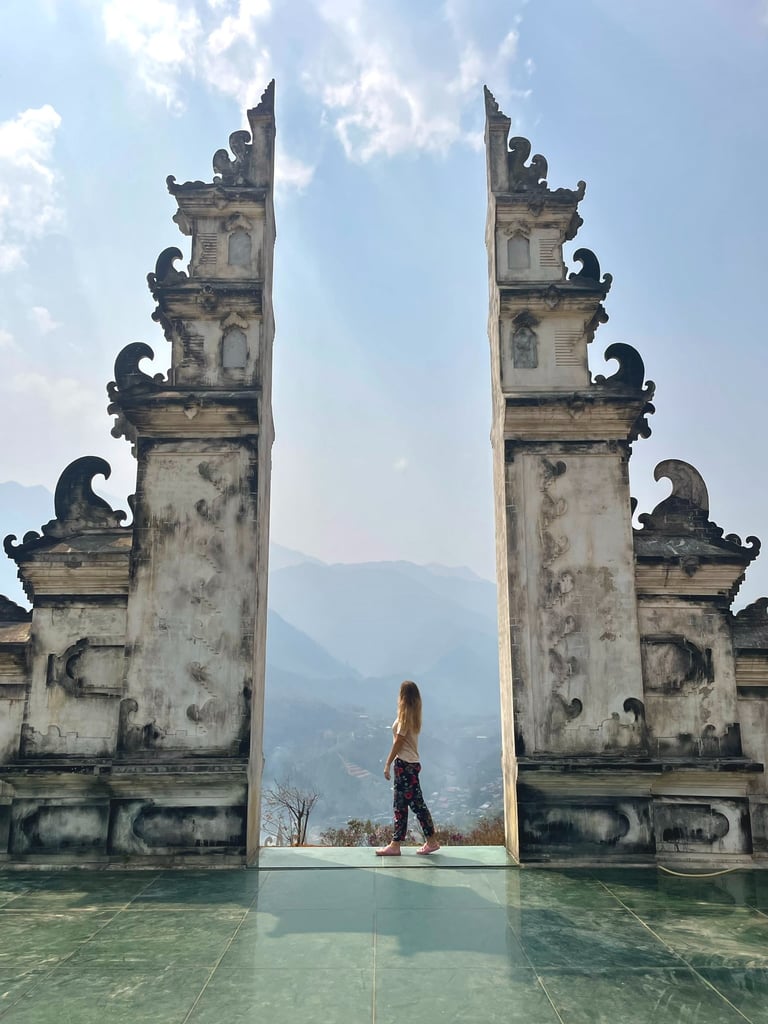
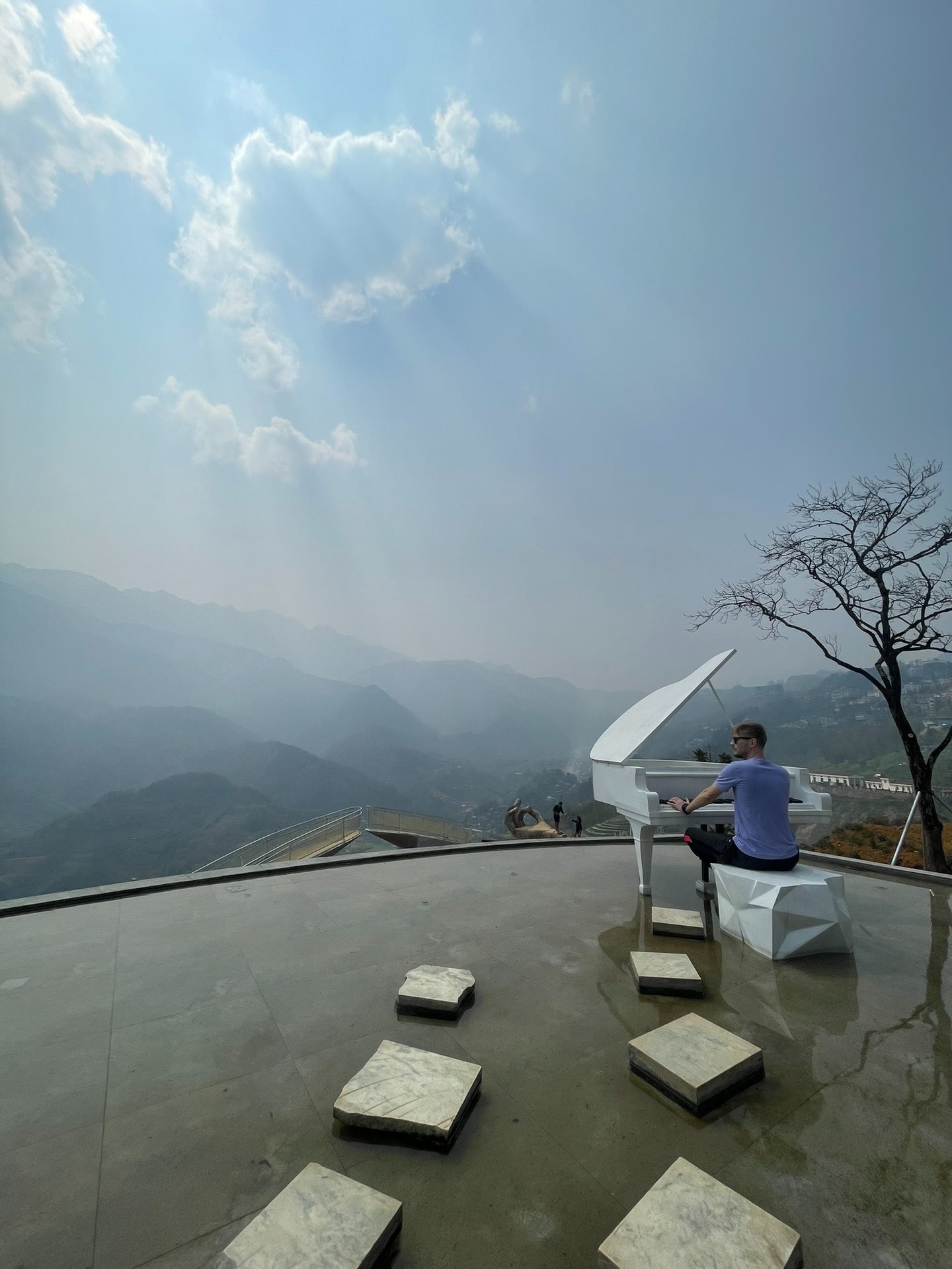
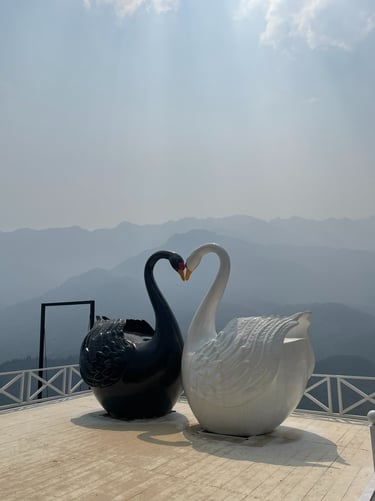
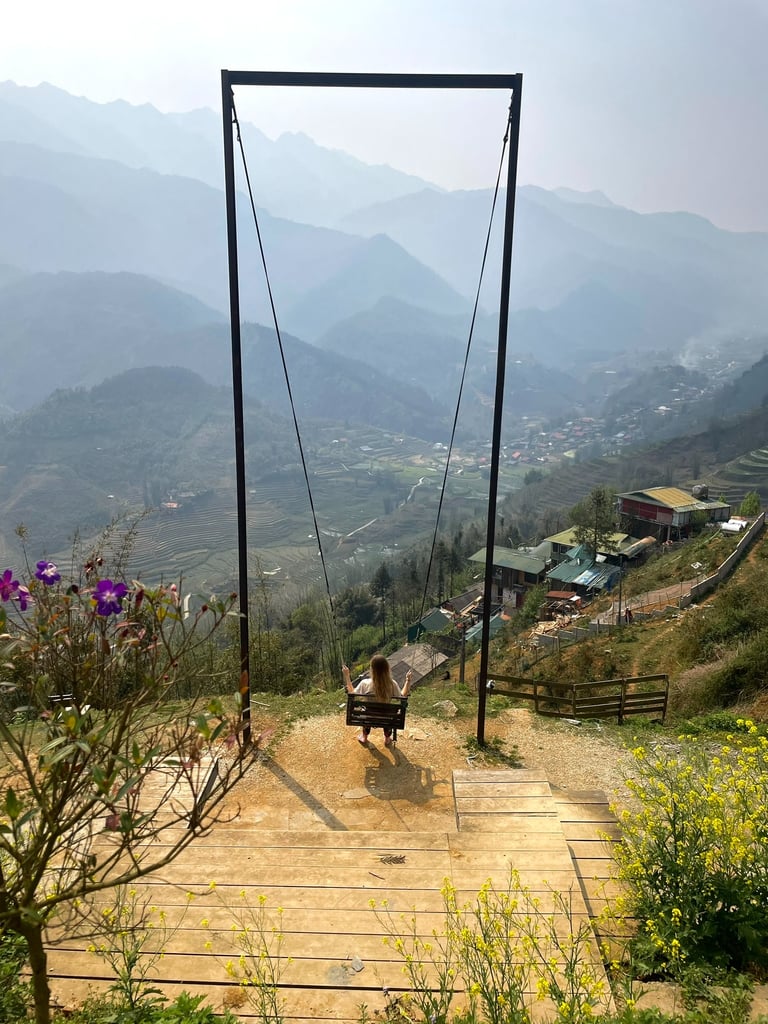
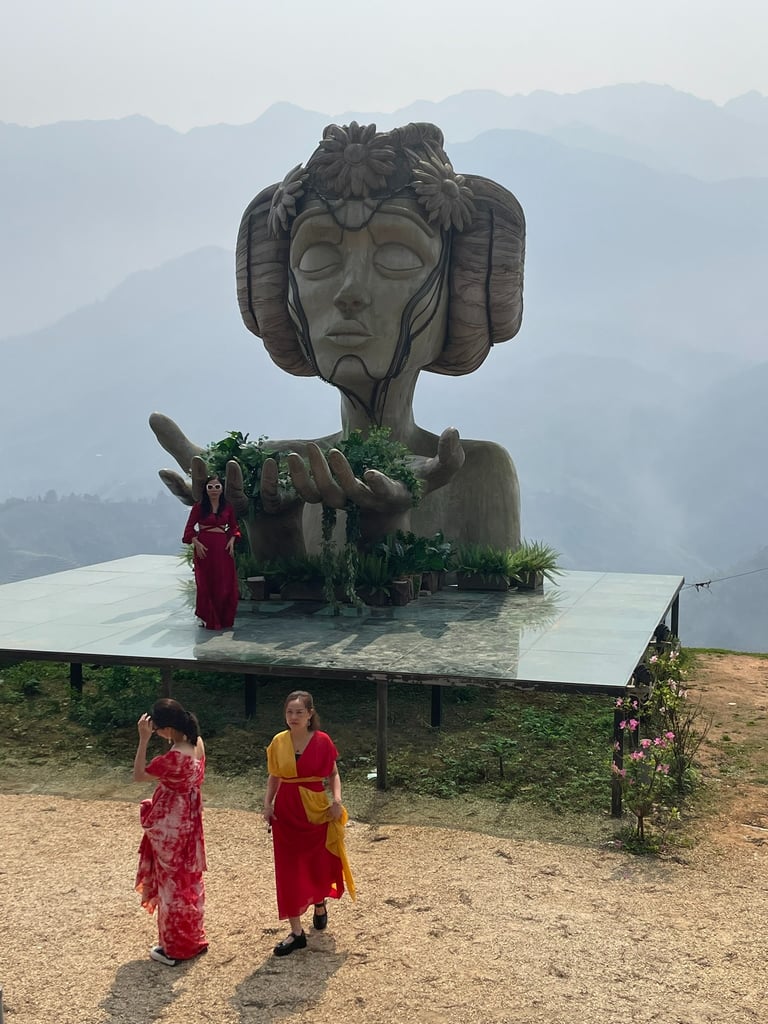
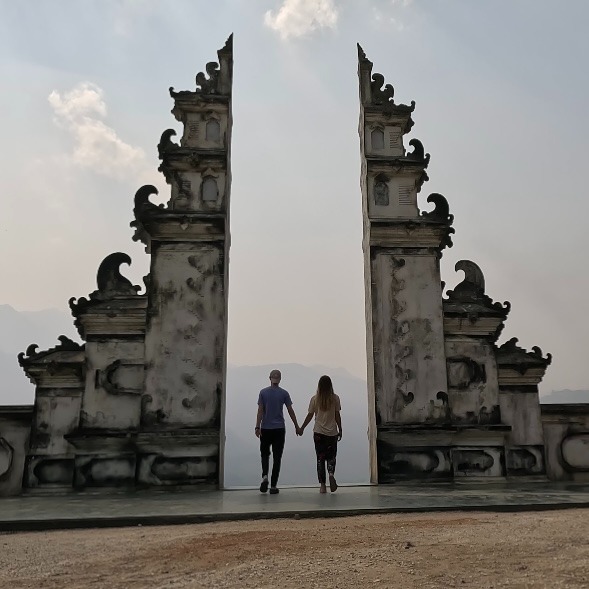
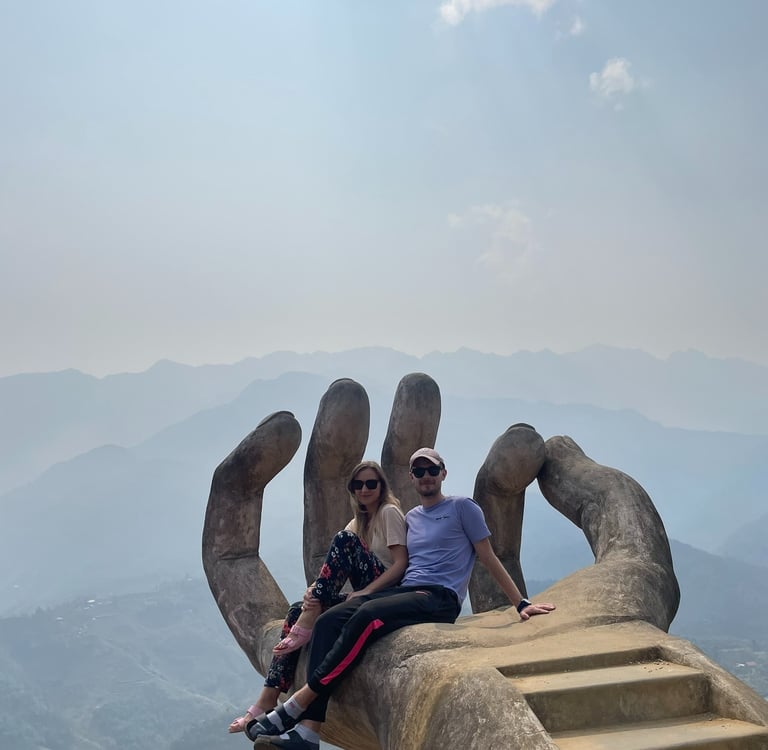
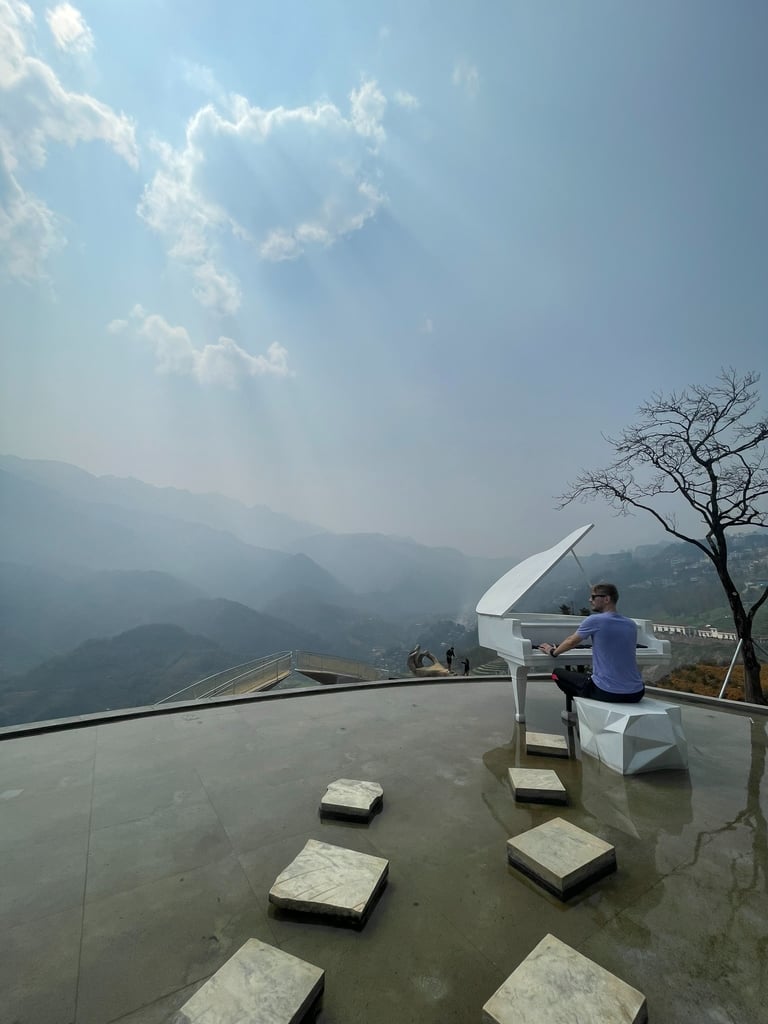
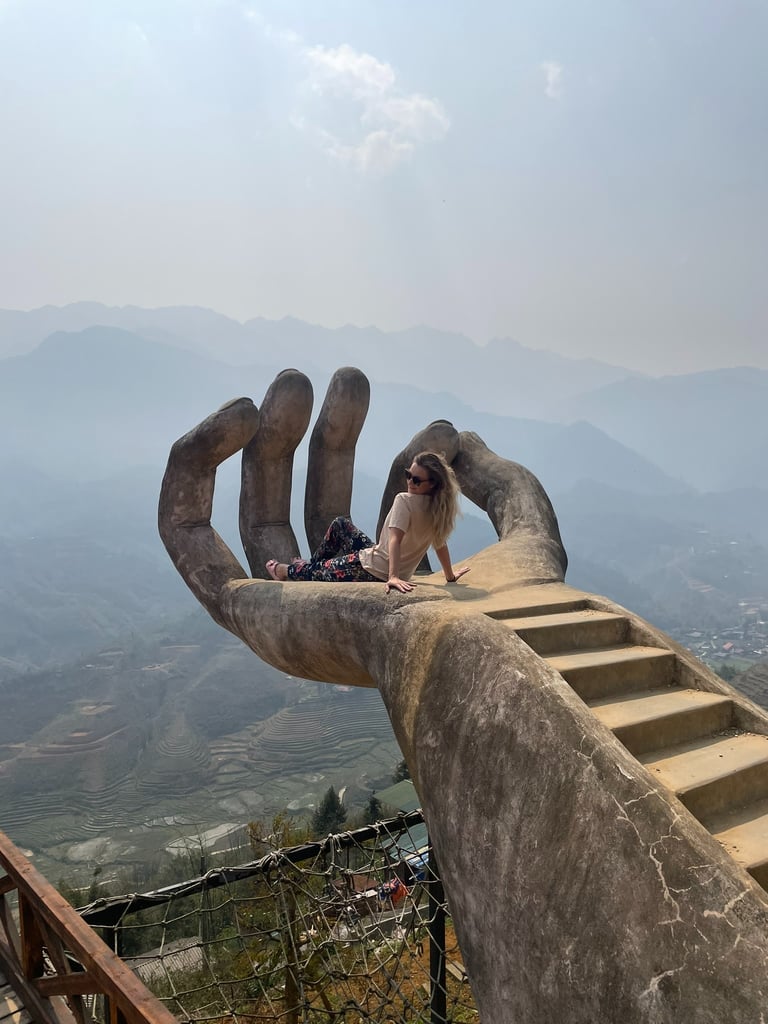
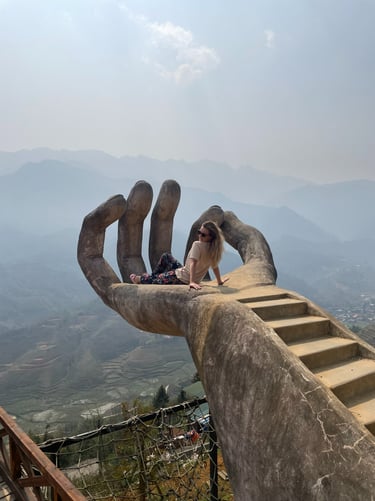
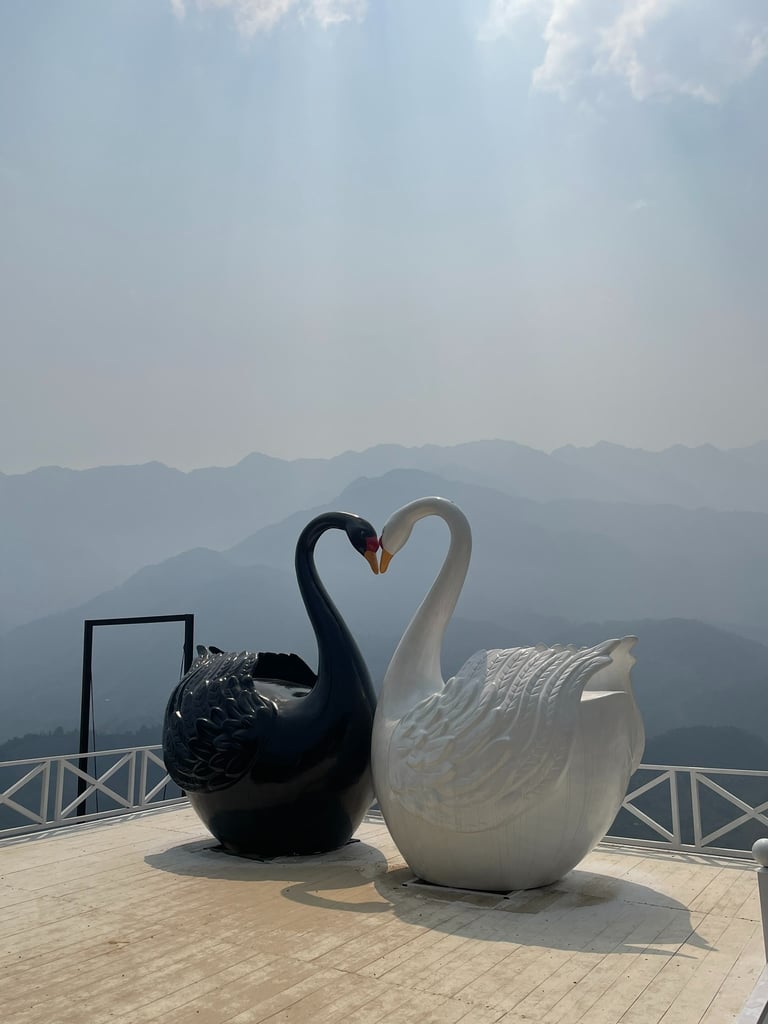
We don’t usually visit places like this, but this time we did 😉 To be honest, I had completely forgotten it was here. When we were in Bali, we carefully avoided attractions like this because we don’t like wasting time on gimmicky spots - but here it just felt too tempting to pass up. You can see the gate from afar, something like the famous “Gate to Heaven,” but without the endless queues. The entrance fee is only 80 000 VND and there were barely any people around. Besides the beautiful gate itself, there are plenty of other great photo spots. No one rushes you, no one jumps out of the trees offering to take your photo, and you even get water so you don’t collapse in the heat. The views are stunning, you can sit on a bench, fly your drone - basically do whatever you like. There’s also a small café on site where you can grab a coffee or something to eat. If you enjoy places like this, definitely add it to your list.

Fansipan (Phan Xi Păng)

Fansipan (Phan Xi Păng) is the highest mountain in Vietnam, reaching 3 143 meters above sea level, and is often called the “Roof of Indochina.” The mountain is located about 9 km from the center of Sapa.

In Sapa, you can book one-day or multi-day trekking trips to the summit. Such treks usually don’t require any special preparation or advanced equipment. However, most tourists choose to take the cable car at Sun World Fansipan Legend. The cable car ride takes only about 15 minutes. Once you arrive, you can either climb the remaining 600 steps to the summit or take a short funicular railway to a higher station for an additional fee.
Current ticket prices can be found HERE. Children under 110 cm ride for free. Opening hours are from 7:30 AM to 5:30 PM.
If you plan to visit the summit of Fansipan, remember to bring warm clothing and a rain jacket. It’s also a good idea to bring drinks and snacks with you so you don’t end up paying much higher prices at the top.

What not to do in Sapa

Don’t visit Cat Cat Village or Ham Rong Mountain

While walking around Sapa, many people will offer you tours to Cat Cat Village. It’s not surprising, because the whole place is practically designed to attract tourists. You’ll find beautiful flower arrangements, renovated walkways, little bridges, lanterns, a wooden replica of a hydroelectric plant, dance performances, and of course countless souvenirs for sale. Entrance to the village is paid, and the crowds of tourists practically spill out of it.
If you’re looking for a more authentic and less commercial experience, consider visiting other, lesser-known villages instead. This will give you a better chance to experience the culture and everyday life of northern Vietnam. Nearby villages such as Ta Van, Lao Chai, or Ban Ho offer beautiful landscapes and a more genuine glimpse into local life.

Don’t give money to children selling souvenirs

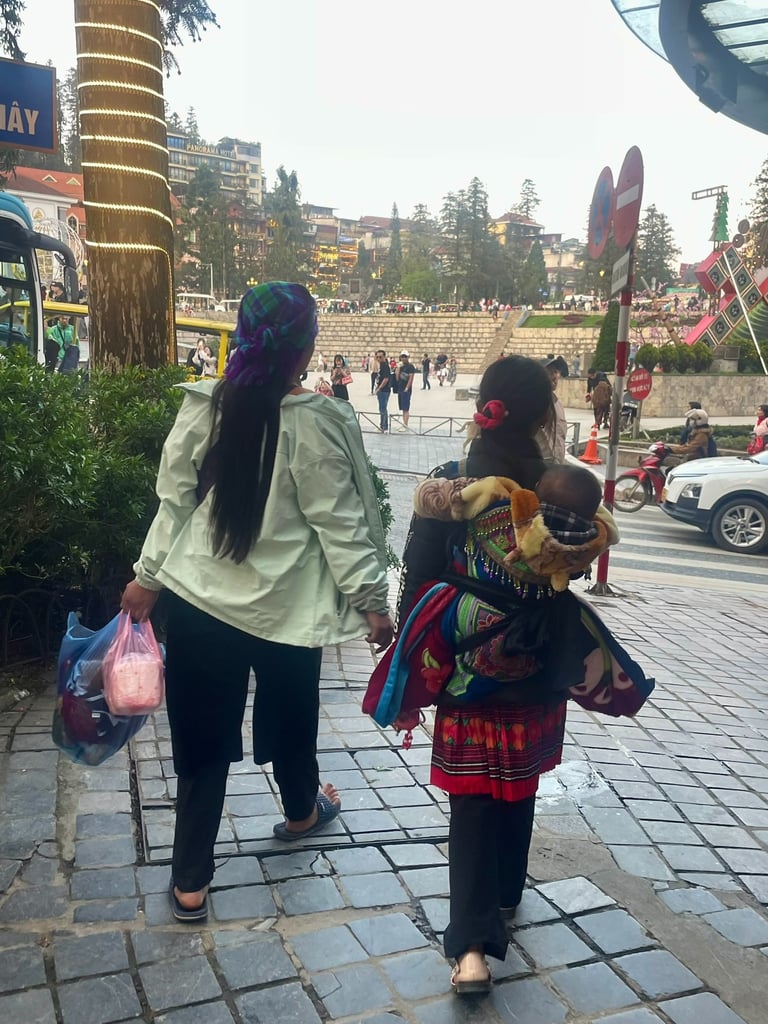
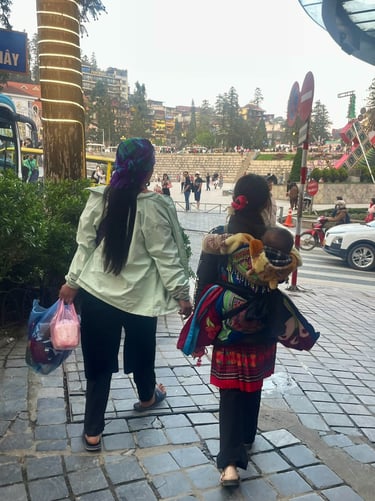
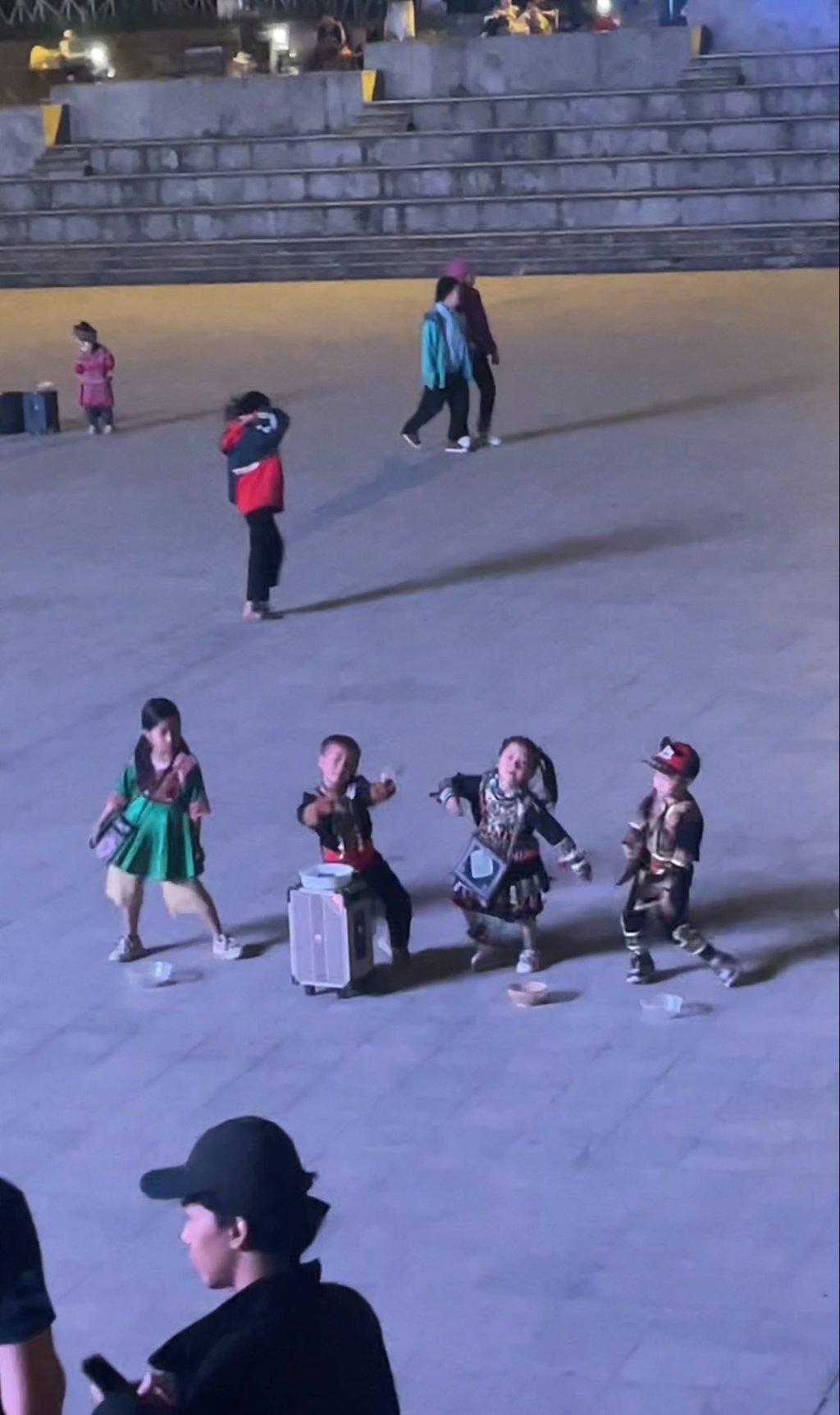
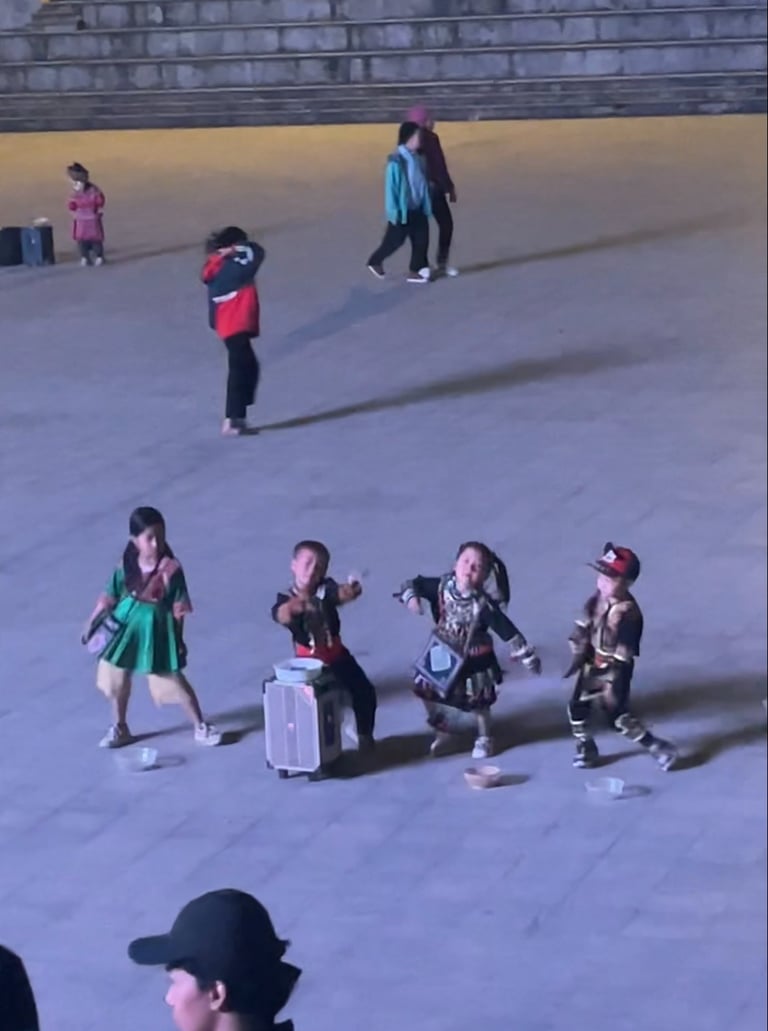
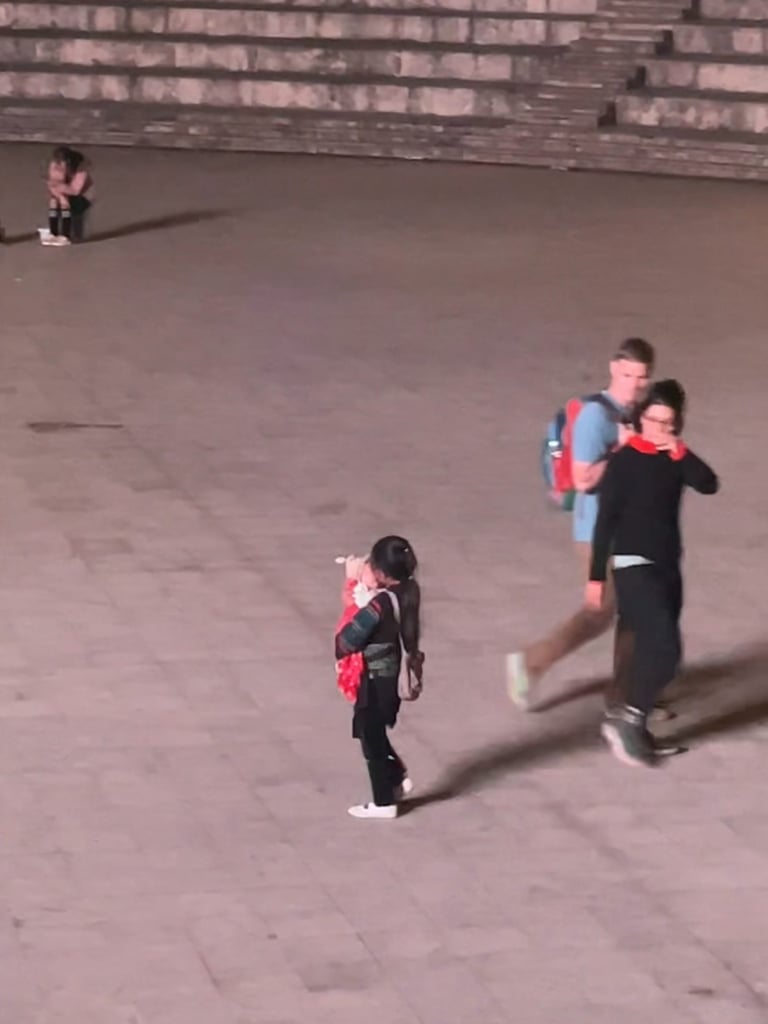
In Sapa, you’ll often see very young children selling souvenirs or dancing to music near the cathedral, dressed in beautiful traditional outfits. Unfortunately, many families use these cute children to earn money. When tourists buy from them, it often means the children spend their days selling souvenirs instead of going to kindergarten or school. Some even walk around carrying younger siblings and begging. It’s best not to support this system.

What else should You avoid in Sapa? Check out the short video - straight from the local residents.

Where to stay in Sapa?

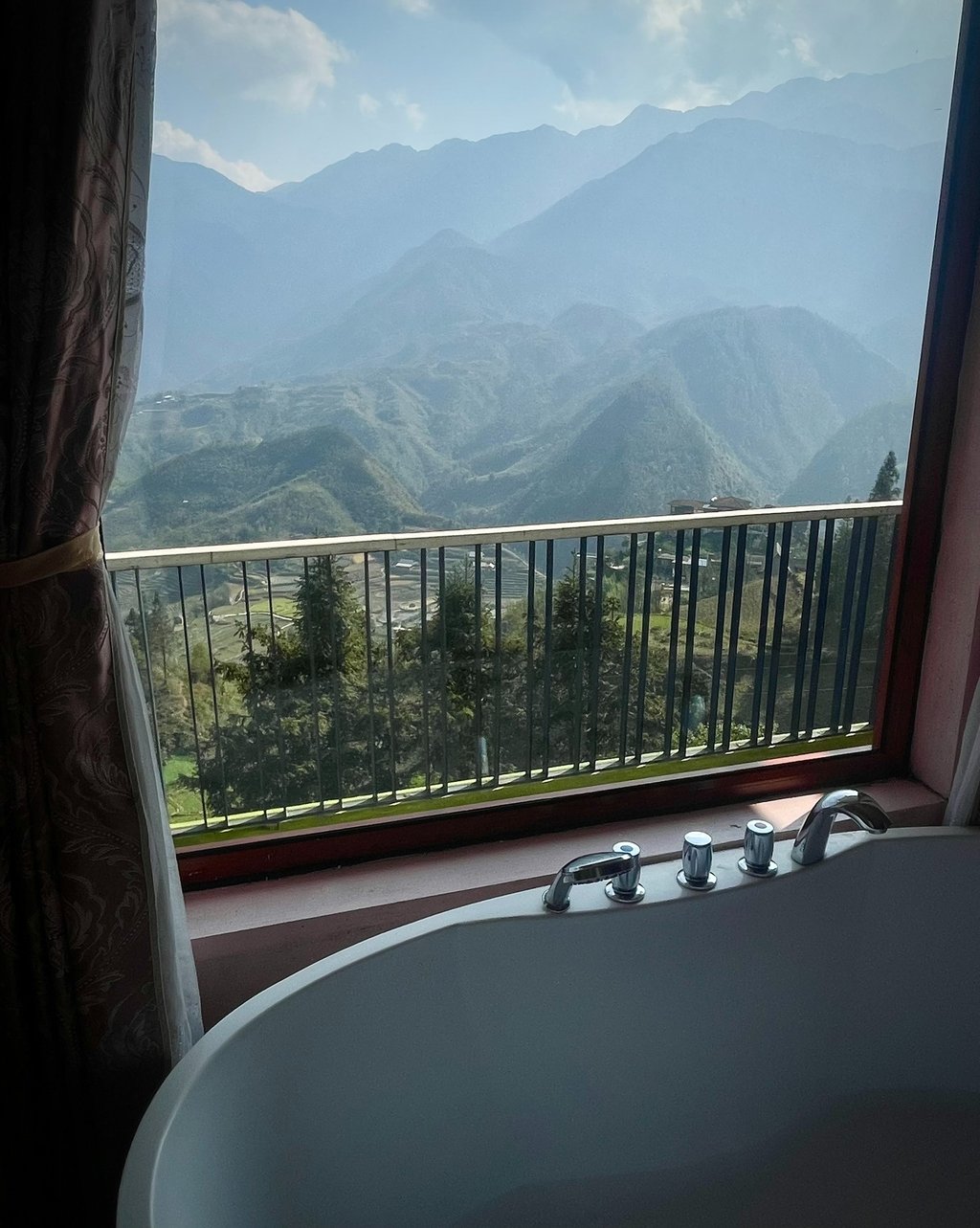
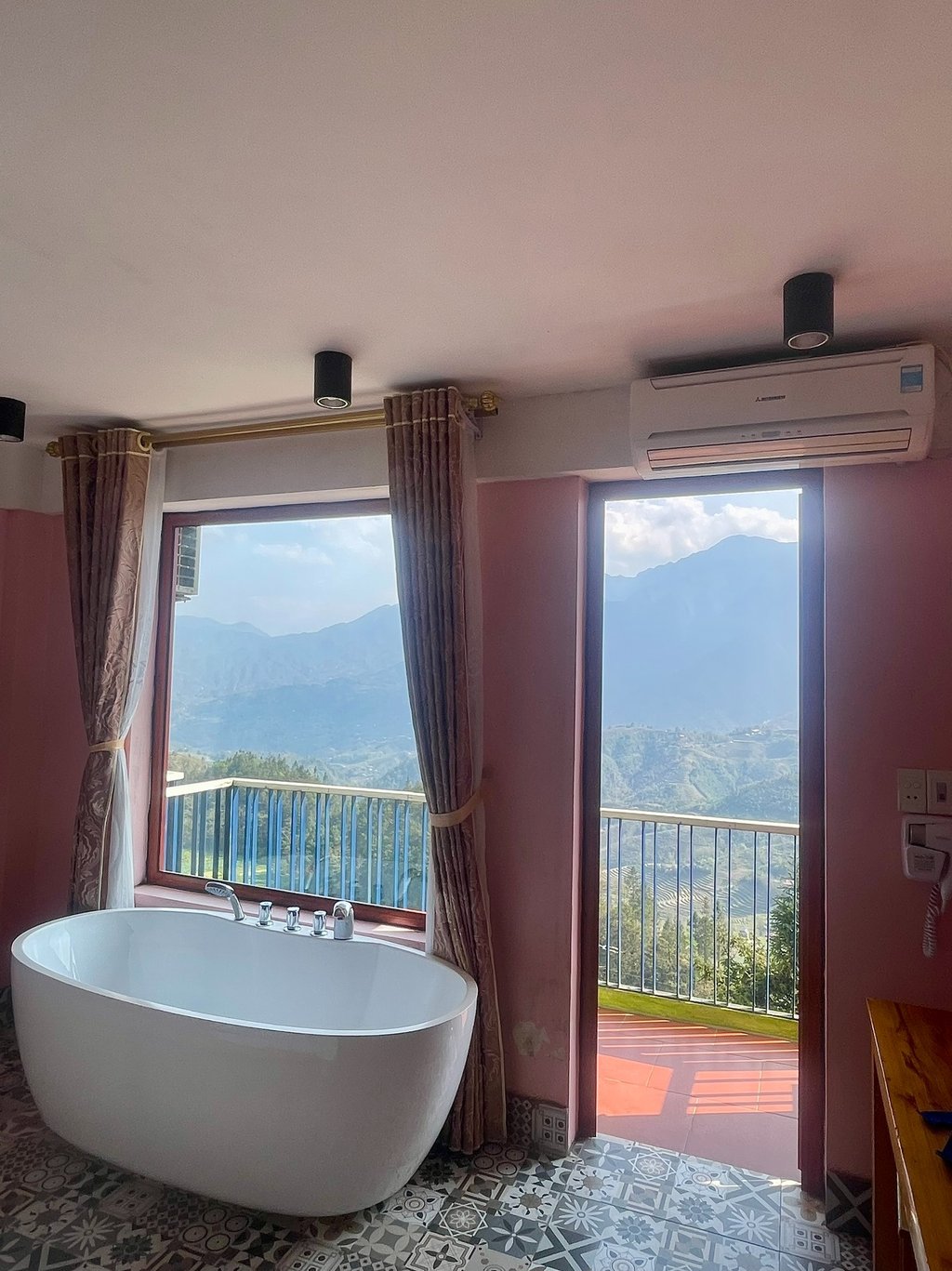
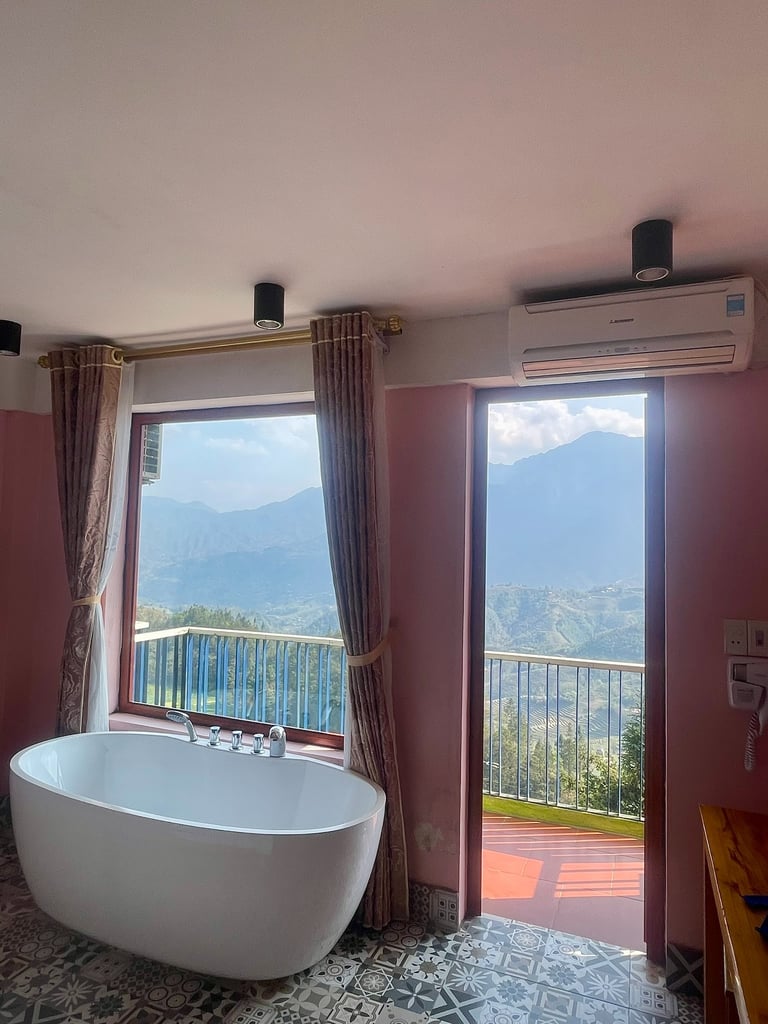
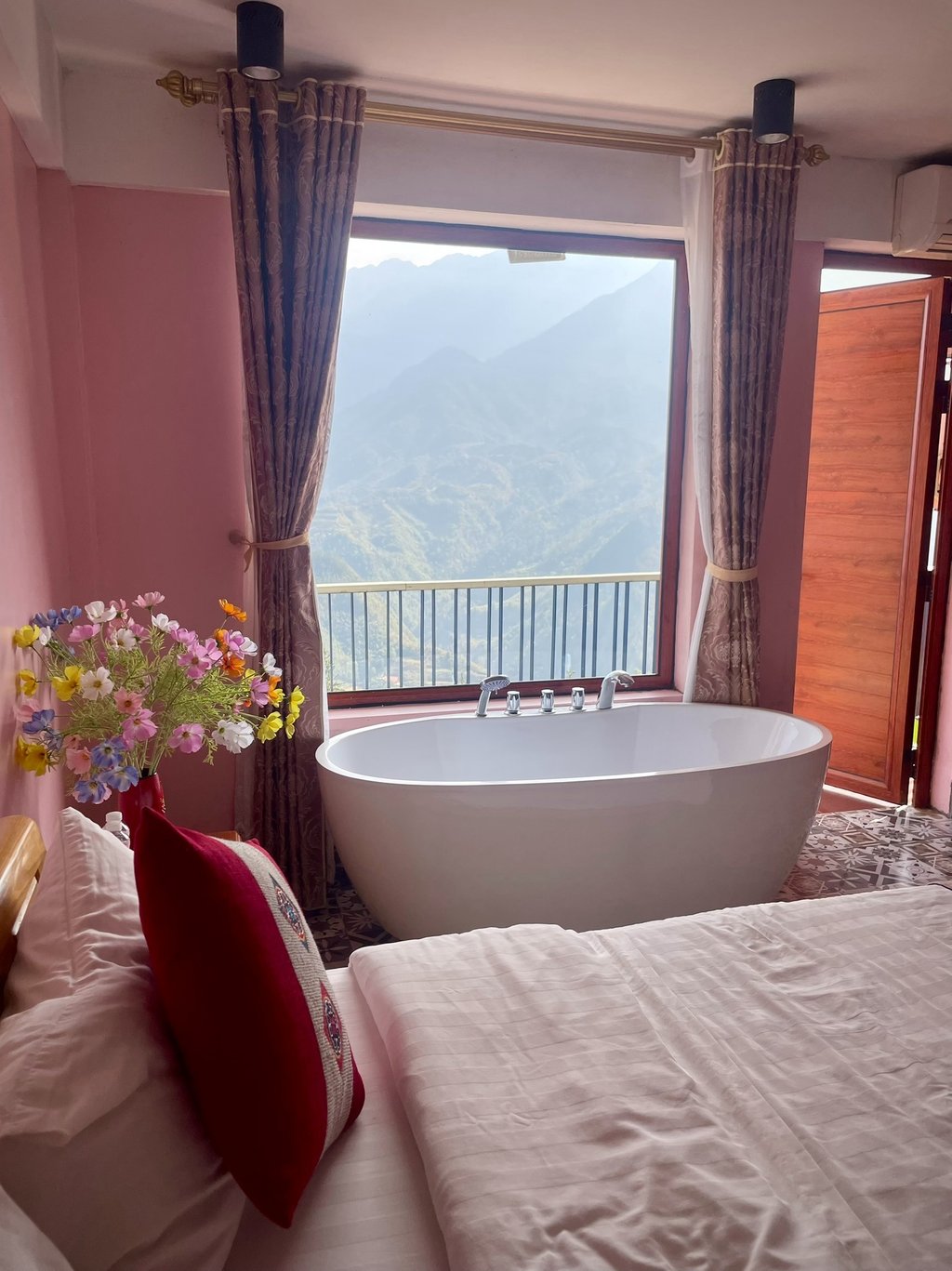
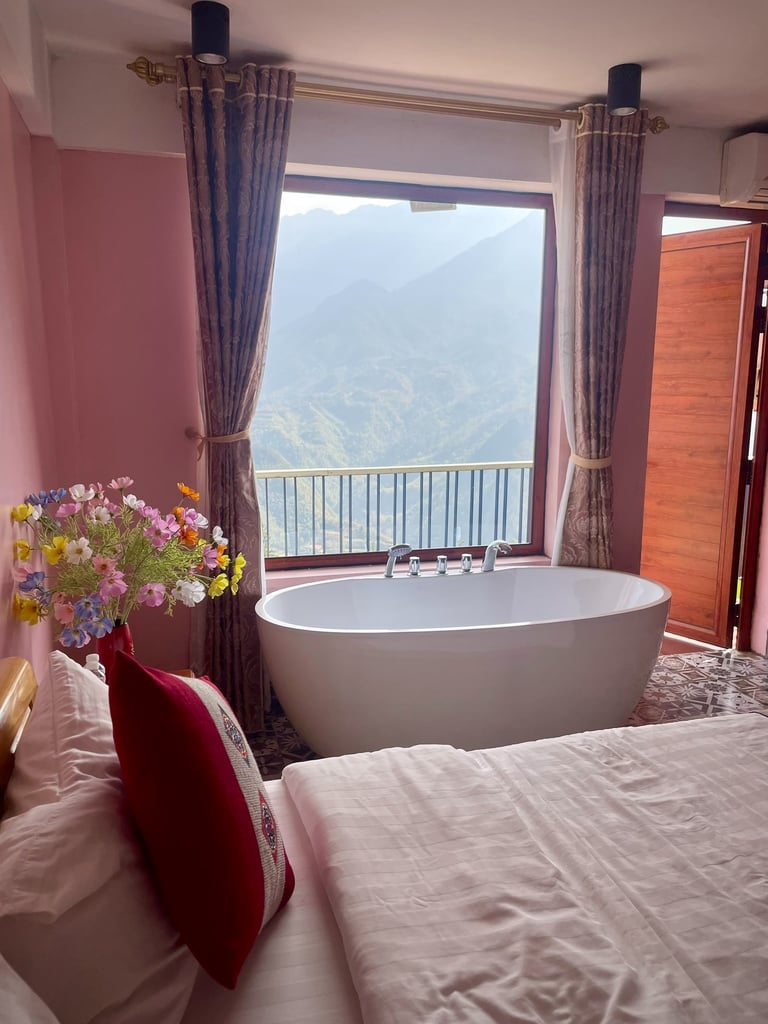
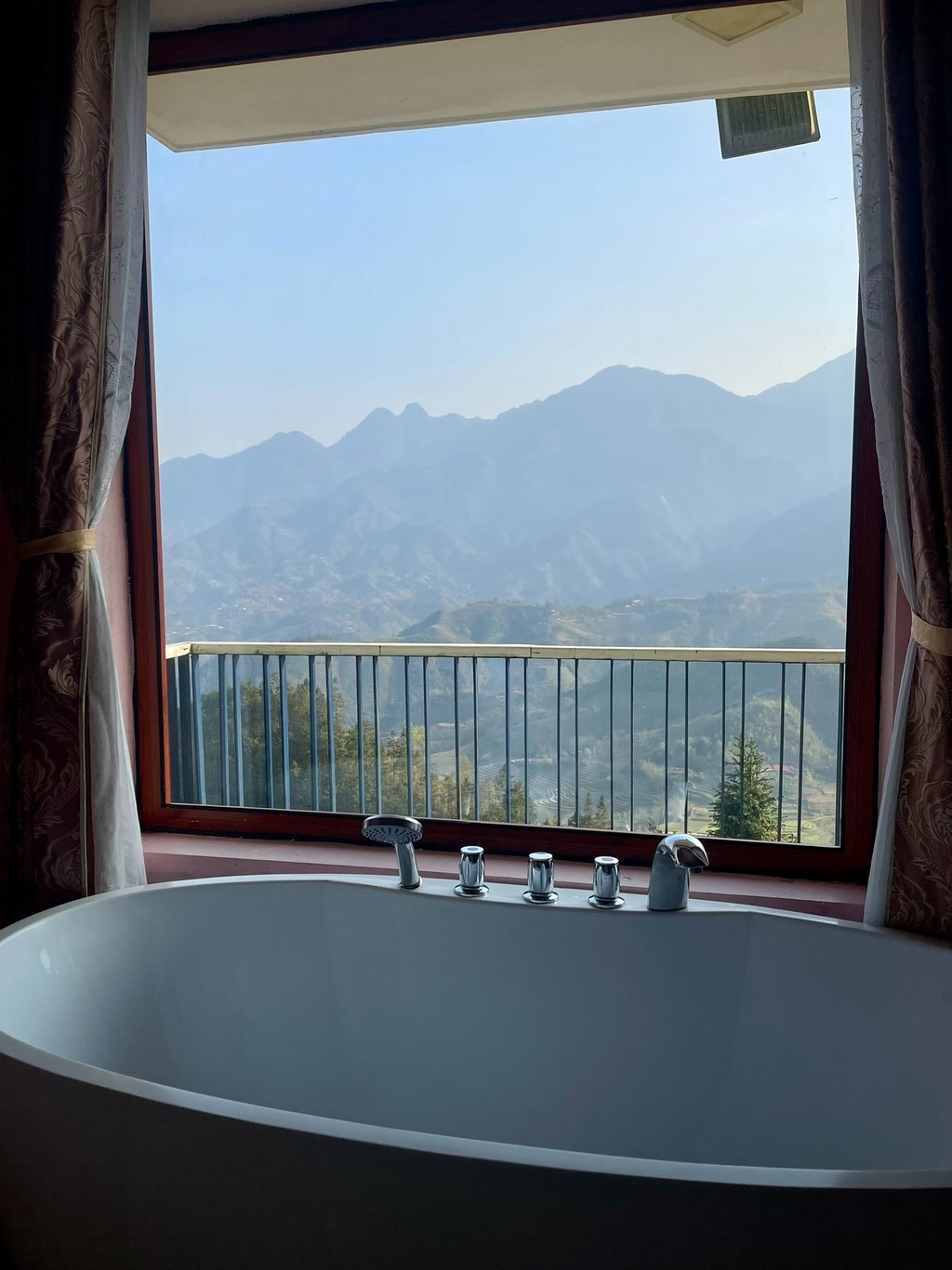
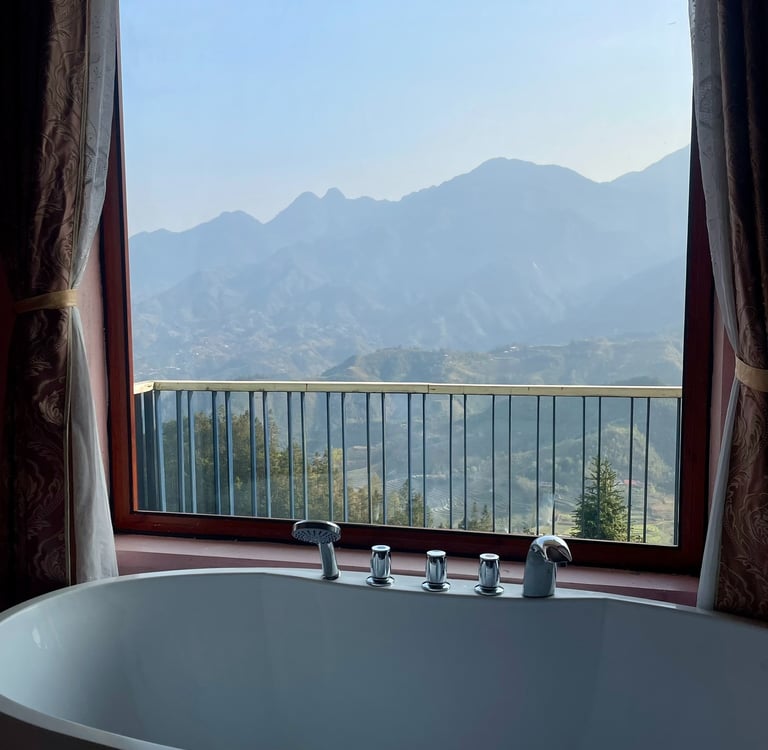
I highly recommend the area around Funny Restaurant & Pub. First of all, it’s an excellent restaurant serving some of the best food we tried in the city, and the owners are truly wonderful people. They also run a nearby homestay, so if you’re looking for an affordable but clean place to stay, I can warmly recommend Cyan Sapa Homestay. Another big advantage of this area is the beautiful views, as well as the peace and quiet away from the busiest parts of town. We personally stayed at Scenery Hotel, and I have to say it was a perfect choice. I had been dreaming about a bathtub with a mountain view - and that dream finally came true. If you click on the photos, you’ll see a short video.

Feel free to visit our Instagram, where you can find more photos and our travel stories shared in real time

Sapa tours

Need help planning your vacation?

Heading to Vietnam? Need someone to plan your holiday, or just a few tips and a chat? We’re here for you.
Drop as a line

Do you have questions about traveling to Asia? Suggestions for the blog? Want to collaborate? Need help or just want to meet for coffee?

Feel free to get in touch.