
A few words about the city
Ho Chi Minh - or more precisely Ho Chi Minh City (HCMC) - because without the “City,” it’s simply a name. And not just any name, but the name of Uncle Ho himself. The city was formerly known as Saigon, and to this day many locals still use this name because it’s shorter and simply sounds better. Besides, the name Saigon fits the character of this city perfectly.
Although Hanoi is the capital of Vietnam, Saigon is the country’s largest city and its key economic, cultural, and educational center. The city has more than 9 million residents (and over 13 million if you include the entire metropolitan area). Located in the Mekong Delta region, it represents a fascinating blend of tradition and modernity, where colonial buildings stand alongside modern skyscrapers.
Ho Chi Minh City has a rich history dating back to the time when it was a small fishing village known as Prey Nokor. In the 19th century, the French transformed it into an important trading port, redesigning the city and giving it its characteristic colonial architecture, complete with elegant boulevards and cafes. After the end of the Vietnam War in 1975, the city was renamed Ho Chi Minh City in honor of Ho Chi Minh - the Vietnamese revolutionary leader and national hero.
When is the best time to visit Saigon?
The best time to visit Ho Chi Minh City is during the dry season, from December to April. During this time, temperatures are high (around 30–35°C / 86–95°F), but rainfall is much lower than during the rainy season (May–November), when humidity and sudden downpours can make sightseeing more challenging. If you’d like to avoid the biggest crowds, consider visiting in February or March, when the weather is still excellent and the city is slightly less busy with tourists. You can find more detailed information about Vietnam’s weather HERE.
Where to stay in Saigon?
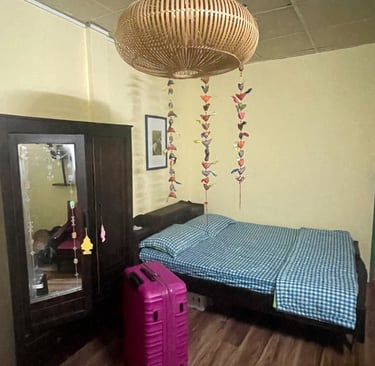
Saigon is divided into 24 districts, including 19 urban districts and 5 more rural or suburban areas. For travelers, however, only a few key districts are worth considering, each offering a different atmosphere, price range, and proximity to attractions.
District 1 - the heart of the city, full of office towers, bars, restaurants, and colonial landmarks. This is also where you’ll find the famous nightlife street Bui Vien, often compared to Bangkok’s Khao San Road or Soi Cowboy - only louder and even more colorful. If you’re visiting Saigon for a short time, this is the best area to stay (just try to avoid accommodation directly on Bui Vien Street). It’s the perfect base for exploring the main attractions and experiencing your first taste of the chaotic energy of Vietnam.
District 3 - less touristy but still very close to the center, known for its beautiful architecture and excellent local cafes and restaurants. It’s a great choice for travelers looking for a quieter atmosphere, charming streets, colonial buildings, and authentic local food.
District 5 (Chinatown / Cholon) - a lively Chinese district filled with markets and temples, such as the famous Thien Hau Temple. Accommodation here is generally cheaper, but the selection of hotels is smaller and it’s further from the city center.
District 7 - the “expat district” with modern, Western-style residential areas. This is a good option for people looking for comfort, peace, longer stays, or traveling with family. The area is sometimes called “Mini Singapore” because of its modern apartment complexes, shopping malls, and green parks. It’s clean, organized, and calm. If you plan to stay in Saigon for a month or longer, you’ll find great apartments, gyms, swimming pools, and plenty of places suitable for remote work. However, you won’t really experience the atmosphere of the “real” Vietnam here, and you’ll need to commute to the city center.
What to see in Saigon?
Landmark 81 - currently ranked among the tallest buildings in the world (around the top 15). The tower stands out not only because of its height but also because of its design, which was inspired by the shape of bamboo, a symbol of strength and growth in Vietnamese culture.
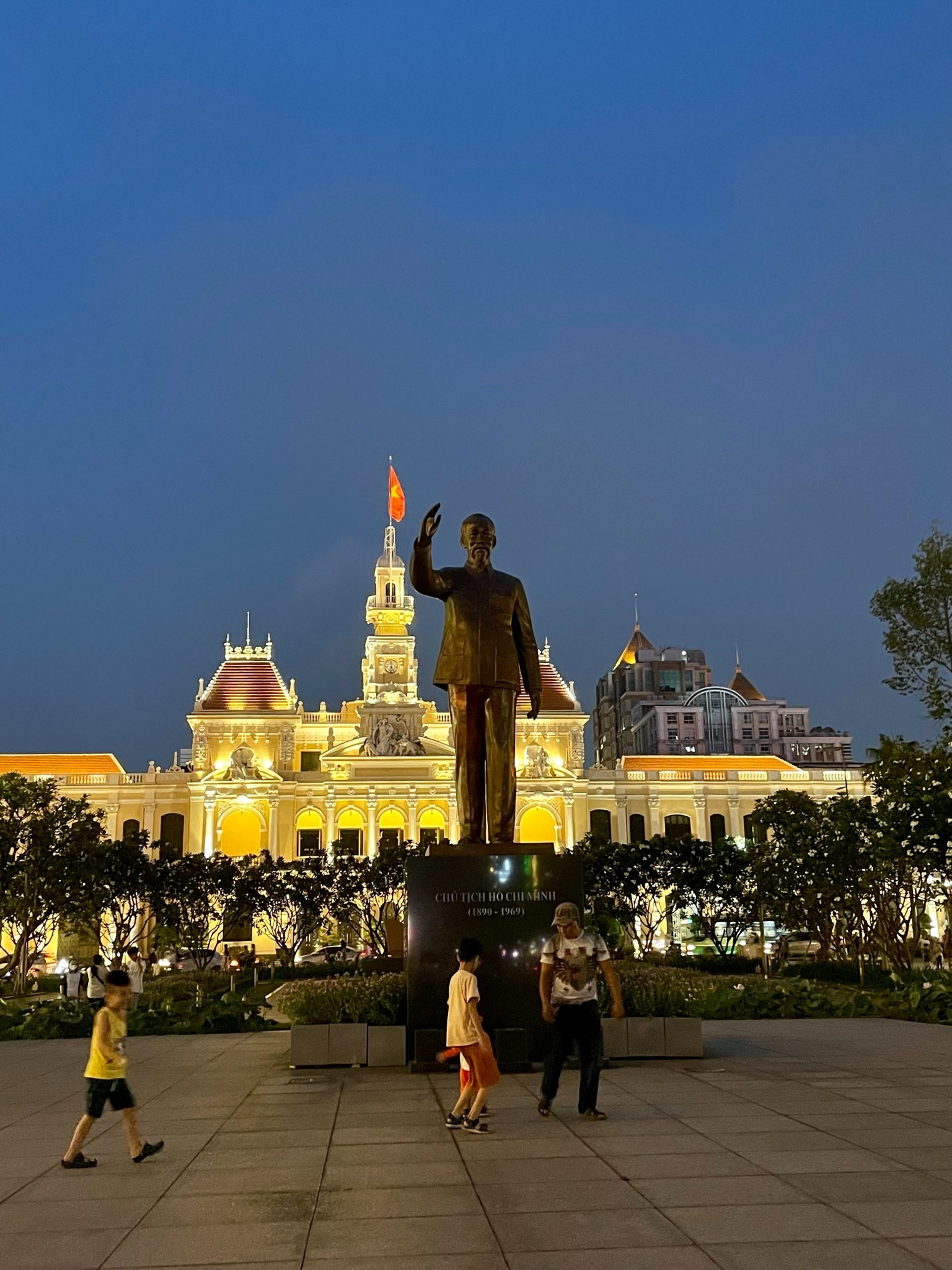
Ho Chi Minh Statue - of course it couldn’t be missing in his own city 😉 The statue of “Uncle Ho” stands proudly on Nguyen Hue Boulevard, one of the most popular walking streets in Saigon.
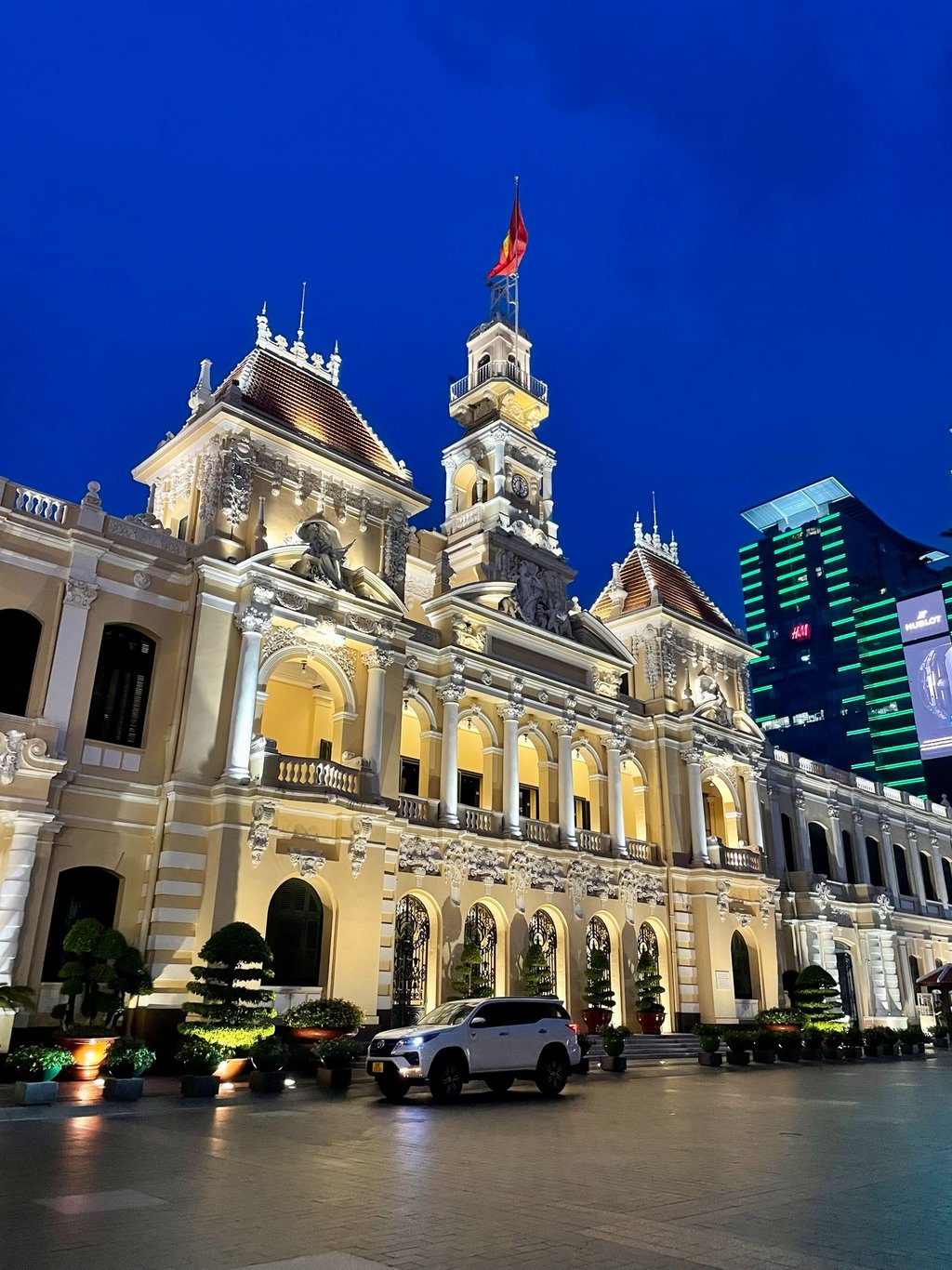
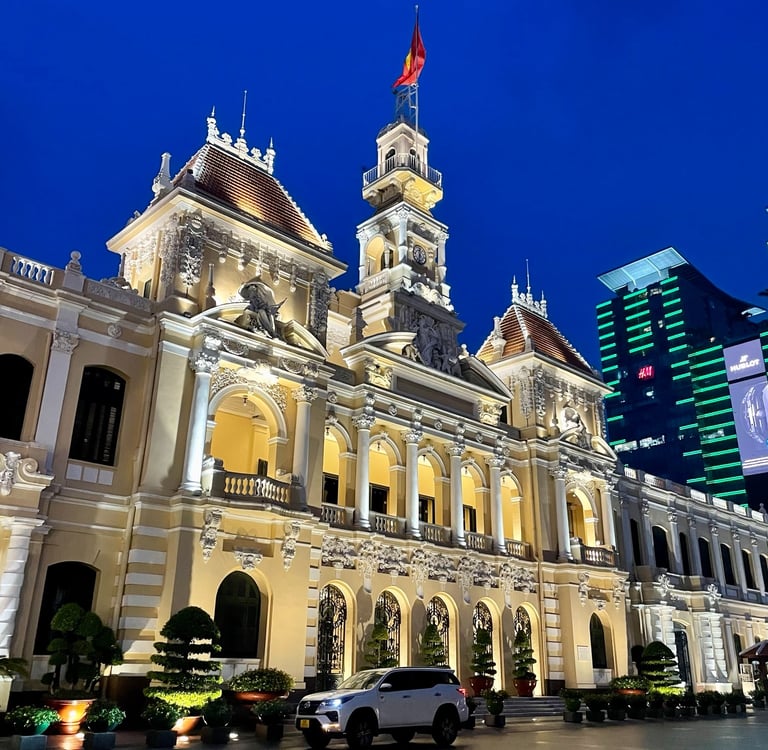
Ho Chi Minh City Hall (Hôtel de Ville) - an impressive example of French colonial architecture, now serving as the headquarters of the city’s People’s Committee. It’s located right next to the statue of Ho Chi Minh.
Notre-Dame Cathedral Basilica of Saigon - built by the French in the 1870s, it is one of the city’s most recognizable landmarks, famous for its distinctive red brick towers. (It has been undergoing renovation in recent years.)
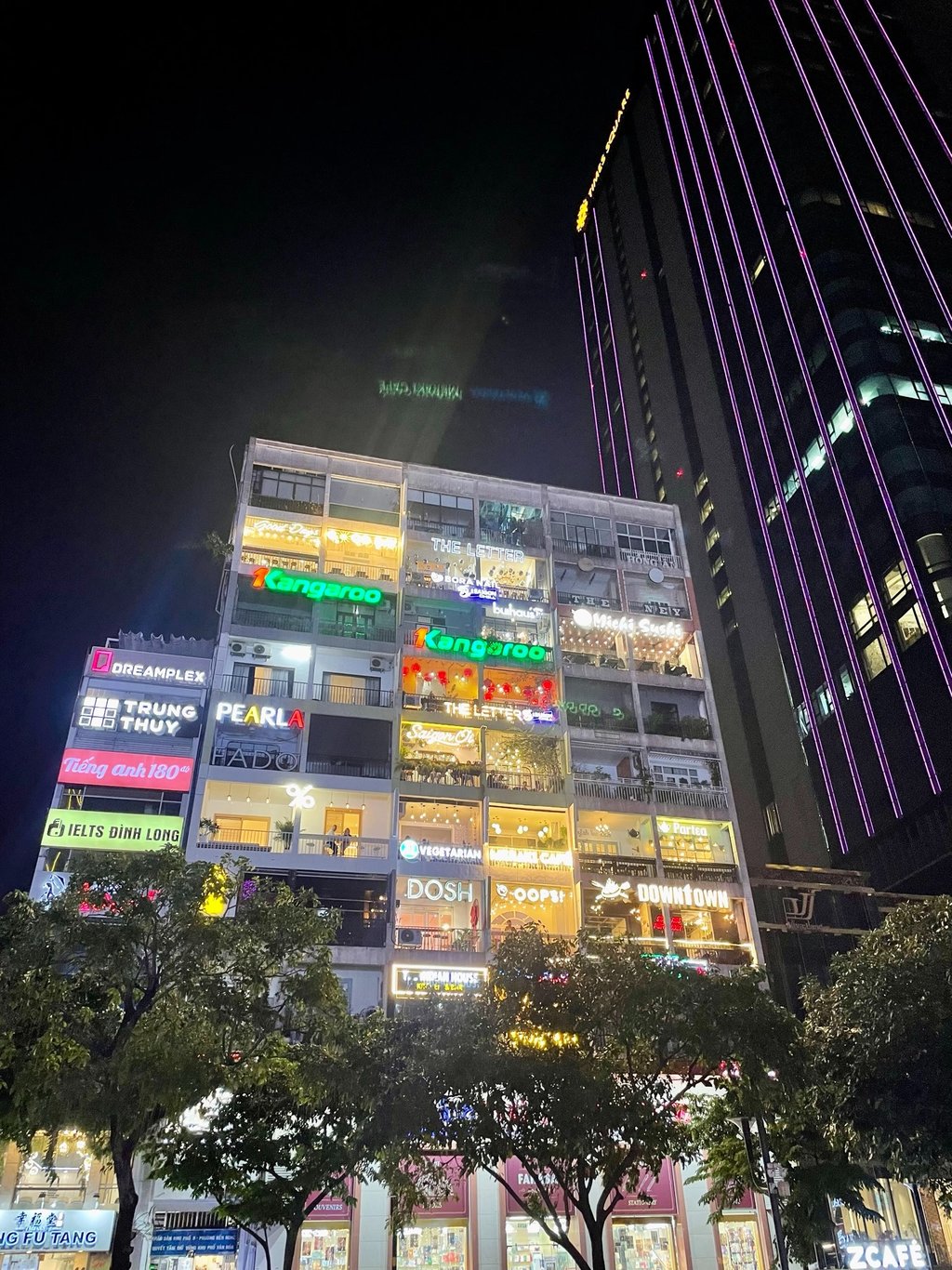
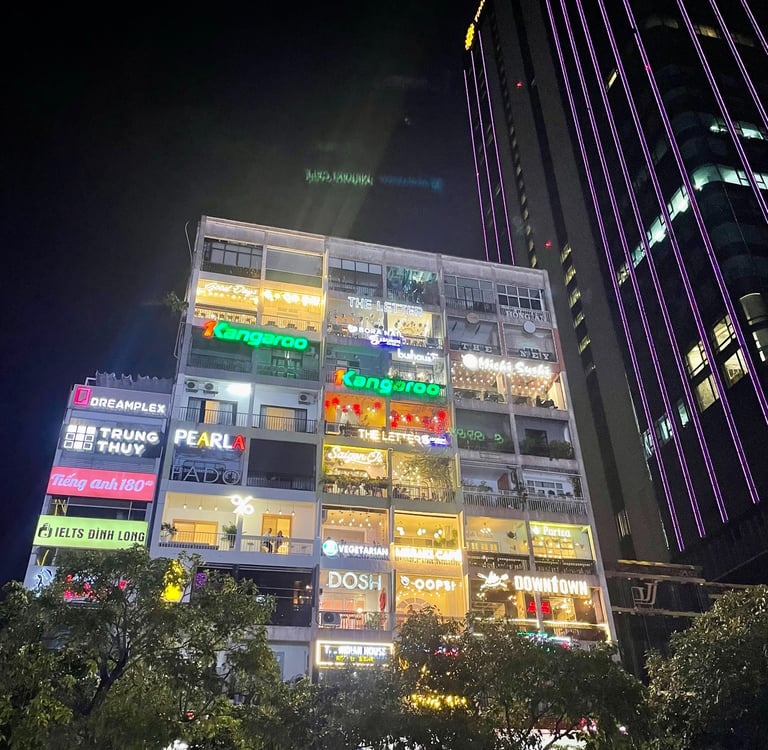
The Cafe Apartments - one of the most famous spots in Saigon, located near the Ho Chi Minh statue. This old apartment building has been transformed into dozens of unique cafés. It’s a fantastic place for coffee and photos.
Tan Dinh Church - a beautiful pink Catholic church built in a Gothic style. It’s one of the most photogenic places in the city. A great nearby spot for coffee is Ola Hale Restaurant & Bar.
Independence Palace - a powerful symbol of the end of the Vietnam War and an important historical site. In 1975, North Vietnamese tanks broke through the palace gates, marking the end of the war. The palace is very well preserved and offers visitors a fascinating glimpse into Vietnam’s modern history.
Ben Thanh Street Food Market - one of the oldest and most famous food markets in Saigon, perfect for trying a variety of Vietnamese street food.
Bui Vien Walking Street - the city’s famous party street. If you want to experience a true cultural shock, visit Bui Vien late in the evening. Sit down on one of the tiny traditional Vietnamese plastic stools, order a Saigon Beer, maybe even try one of the famous balloons filled with laughing gas, and just soak in the atmosphere.
We were honestly shocked by everything happening there. Be prepared to see street vendors everywhere, as well as beggars and mothers asking for money with their children. You’ll also notice the strong smell of fuel from performers using fire in their street shows. It’s chaotic, intense, and very much part of Saigon’s nightlife scene.
Cu Chi Tunnels
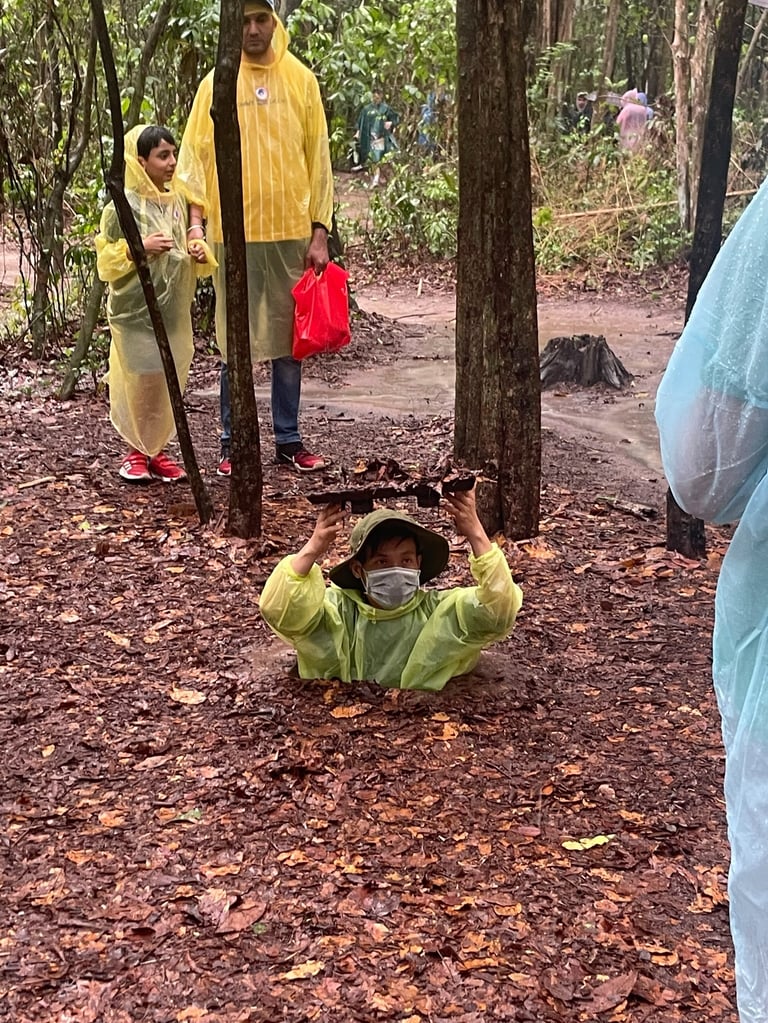
The Cu Chi Tunnels are one of the most iconic sites in Vietnam, symbolizing the determination and resilience of the Vietnamese people during the Vietnam War (1960–1975). This underground network, stretching for about 250 kilometers, was used by the Viet Cong for transportation, shelter, and conducting military operations.
Originally built in the 1940s by Vietnamese fighters resisting French colonial forces, the tunnels were significantly expanded during the 1960s and 1970s by the Viet Cong. They served as operational bases, shelters from bombing raids, as well as hospitals and storage areas for food and supplies. The entire system consists of more than 250 kilometers of underground corridors and chambers, reaching depths of up to 12 meters.
The Cu Chi Tunnels are a remarkable example of engineering ingenuity. The system includes multiple levels and numerous chambers such as kitchens, meeting rooms, hospitals, and even hidden combat traps. It also contained strategically placed exits leading to nearby rivers and cleverly designed trapdoors, making it extremely difficult for American forces to detect and destroy. Today, the tunnels are a popular tourist attraction, offering visitors the chance to learn about guerrilla warfare tactics and the daily lives of soldiers and civilians during this difficult period in Vietnam’s history.
Below you will find examples of half-day and full-day tours to the Cu Chi Tunnels. Of course, if you have time, you can also book similar tours locally - just remember to negotiate the price.
Getting from the Airport
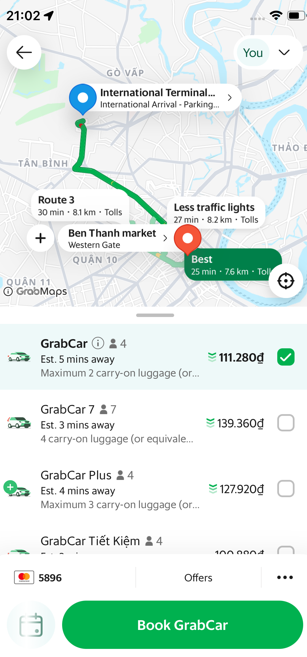
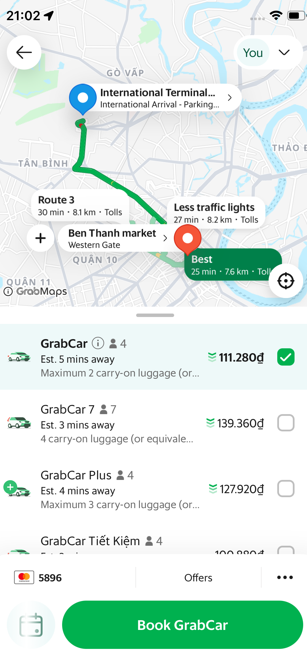
Tan Son Nhat International Airport (SGN) is located about 6–8 km from the city center (District 1). The journey usually takes 30–60 minutes, depending on the time of day and traffic conditions. The easiest way to reach the city center from the airport is by taxi or Grab. A Grab ride to District 1 typically costs around 100 000 – 150 000 VND, while regular taxis are slightly more expensive. If you choose a taxi, it’s best to use reputable companies such as Vinasun (white and green cars) or Mai Linh (white and red cars).
You can also reach the city center by public bus - mainly bus line 109 or 152. Ticket prices range from 6 000 to 20 000 VND, although there may be small additional charges for luggage. The journey usually takes about one hour.
Bus Line 109
This bus is air-conditioned and specifically designed for airport travelers. It operates throughout the day with departures every 15–20 minutes.The bus departs from stand number 12 at the international terminal or stand number 18 at the domestic terminal. The bus stop is easy to recognize because it is painted yellow.
Main stops (from the airport):
Tan Son Nhat International Terminal → Domestic Terminal → Truong Son Street → Tran Quoc Hoan Street → Hoang Van Thu Street → Nguyen Van Troi Street → Nam Ky Khoi Nghia Street → Nguyen Dinh Chieu Street → Cach Mang Thang Tam Street → Pham Hong Thai Street → Le Lai Street → Central Bus Station (opposite Ben Thanh Market) → Pham Ngu Lao Street → 23/9 Park (final stop)
Tickets cannot be booked in advance. You can buy them directly on the bus or at the airport ticket counter, cash only. After boarding, simply tell the driver where you would like to get off and try to sit close to the driver.
Bus Line 152
This is one of the cheapest ways to travel from the airport to the city center.
The 152 bus stop is located right outside the international arrivals hall. The ticket costs 6 000 VND per person, and if you have luggage, you’ll need to pay an additional 6 000 VND for it.
Route highlights:
Tan Son Nhat Airport (International Terminal) → Domestic Terminal pickup point → Truong Son Street → Tran Quoc Hoan Street → Hoang Van Thu Street → Nguyen Van Troi Street → Nam Ky Khoi Nghia Street → Ham Nghi Street → Le Lai Street → Pham Hong Thai Street → Nguyen Thi Nghia Street → Nguyen Thai Hoc Street → Tran Hung Dao Street → Nguyen Van Cu Street → Nguyen Van Cu Bridge → Duong Ba Trac Street (District 8) → Road 9A (District 8) → Bus parking area at the end of Road 10 (District 8) → Trung Son residential area
To find the stop: after leaving the international arrivals hall, turn right, walk toward the Burger King, cross the pedestrian crossing in front of it, and you will see the 152 bus stop immediately. If you arrive at the domestic terminal, leave the arrivals hall, cross the first car lane, turn right, and continue until you see the blue bus station sign. Bus 152 runs from 5:15 AM to 7:00 PM, departing every 15–20 minutes.
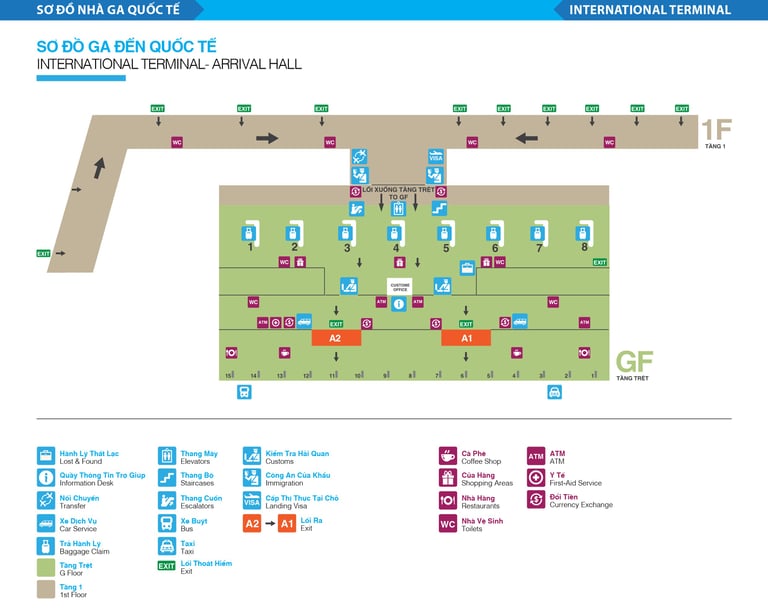
Hala przylotów terminal międzynarodowy
Getting around the city
Getting around Saigon can be an adventure in itself. The countless scooters, constant honking, traffic jams, and the somewhat unusual road rules can feel overwhelming at first - and simply crossing the street can become a true art form.
If you’re not an experienced driver and the traffic in Saigon seems a bit too chaotic, don’t worry. There are plenty of cheap and convenient ways to get around the city without renting your own vehicle.
If you’re staying in District 1, walking will often be your main mode of transport. However, if you need to travel a bit further, I recommend using ride-hailing apps, which are very affordable in the city. If you’re traveling solo, GrabBike is a great option - essentially a scooter taxi with a driver. It’s one of the fastest and cheapest ways to move around the city. A short scooter ride usually costs just a few Vietnamese dong (often starting from the equivalent of around $1). GrabCar, which is a regular car with a driver, usually costs only a few dollars depending on the distance. For patient budget travelers, there are also public buses, which are extremely cheap. However, information in English is limited and the buses don’t always run exactly on schedule. Since the city can get very congested, scooters are often the quickest option because they can easily weave through traffic.
Recently, Saigon also opened its first metro line, and you can find more information about it HERE.
Where to go shopping
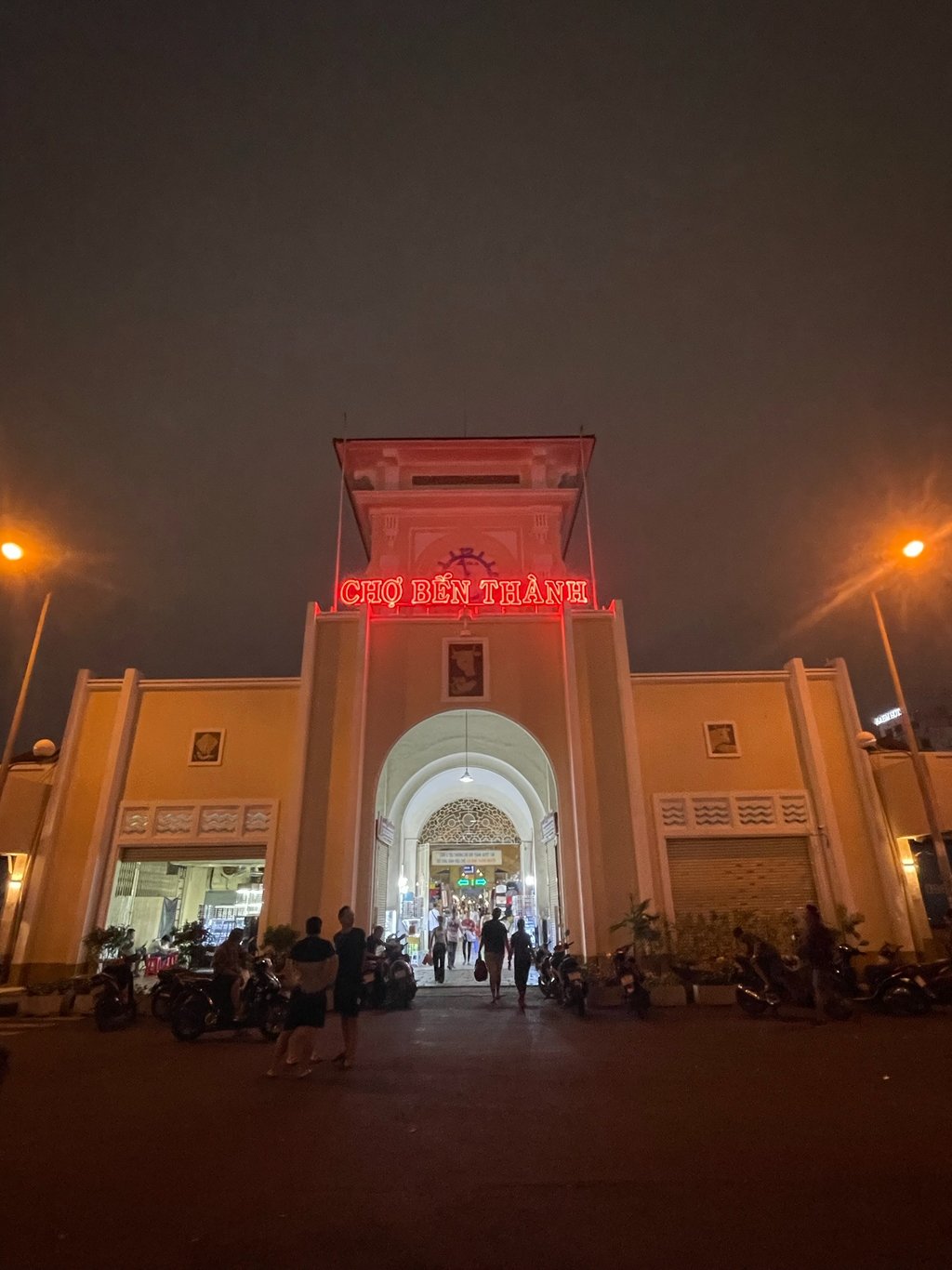
Ben Thanh Market - a classic place to buy souvenirs, spices, clothing, and handmade crafts.
Binh Tay Market - a great spot for tea, spices, and dried fruits (such as mango or durian), as well as sauces, noodles, mung beans, religious items, and incense.
An Dong Market - known for women’s and men’s clothing, ready-made collections, affordable fashion, hand-embroidered scarves, blouses, and bags.
Tan Dinh Market (near the famous Pink Church) - colorful fabrics, lace, and silk perfect for tailoring clothes, as well as clothing, accessories, jewelry, souvenirs (magnets and handicrafts), fruits, snacks, and local sweets.
Dan Sinh Market - tools, electronic equipment, cables, lights, screwdrivers, and various gadgets. You can also find military artifacts here (both authentic and replicas), including helmets, canteens, and backpacks.
Saigon Square - a shopping center known for replicas of popular international brands.
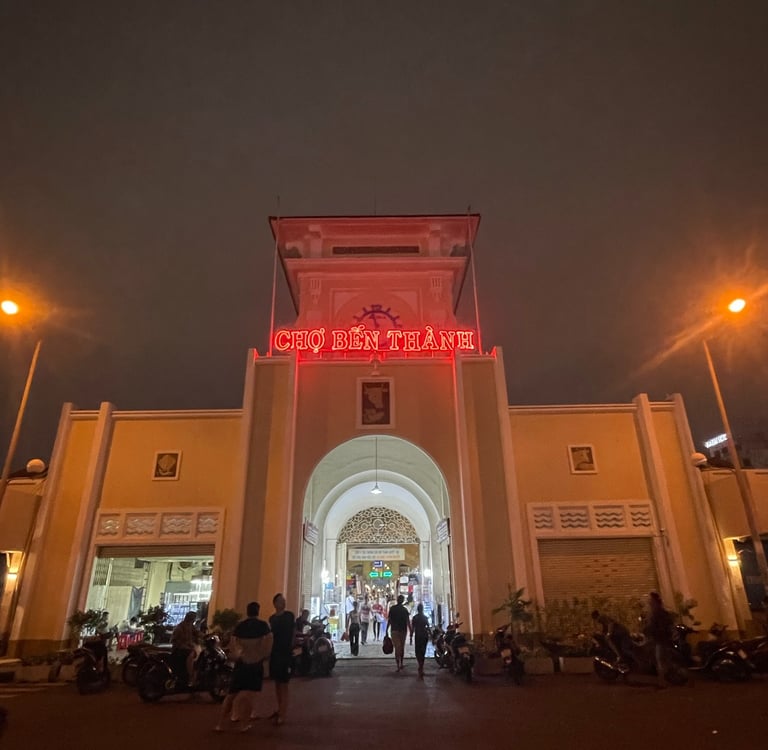
If you’re looking for organized tours in Saigon, feel free to use our GetYourGuide link.
By booking through it, we receive a small commission that helps support our future travels
If you find our content helpful, you can say thanks with a small coffee - or simply share it on your social media.
We’d also love it if you followed us on Instagram and Facebook. We do our best to share the most up-to-date stories and insights - not just from Vietnam, but from other countries we visit too.
And if you need help planning your own trip to Vietnam, just drop us a message - we’ll be happy to help! 😊


Need help planning your vacation?
Heading to Vietnam? Need someone to plan your holiday, or just a few tips and a chat? We’re here for you.